Articular cartilage defects can significantly impact your mobility and quality of life. At Robotic Hip and Knee Replacement LA, we specialize in treating these conditions under the care of Dr. Farzin Kabaei, a board-certified orthopedic surgeon with extensive, hands-on experience treating a wide range of hip, knee, and shoulder conditions.
With over 2,000 successful hip replacements and more than 2,000 knee replacements, including over 1,000 robotic-assisted joint replacement procedures, Dr. Kabaei is dedicated to restoring your joint function and alleviating pain. Our practice, located in Los Angeles, offers a range of advanced treatment options designed to meet your specific needs.
We recognize that each patient is unique, and we provide personalized care that addresses your individual circumstances and health goals.
Amazing Doctor! Knowledgeable, thorough and professional. Anyone under Dr. Kabaei’s care is in good hands
What are articular cartilage defects and their causes
Articular cartilage defects are injuries to the smooth tissue that covers the ends of bones in joints. This cartilage allows for smooth movement and acts as a shock absorber. Defects can arise from acute injuries, such as falls or dislocations, or from chronic wear and tear, often worsened by joint instability or abnormal structure.
Recognizing the causes of these defects is essential for effective treatment. Factors such as age, obesity, and previous joint injuries can increase the risk of developing cartilage defects. The degeneration of cartilage can lead to osteoarthritis, a condition that further affects joint health and mobility.
Common symptoms of articular cartilage defects to recognize
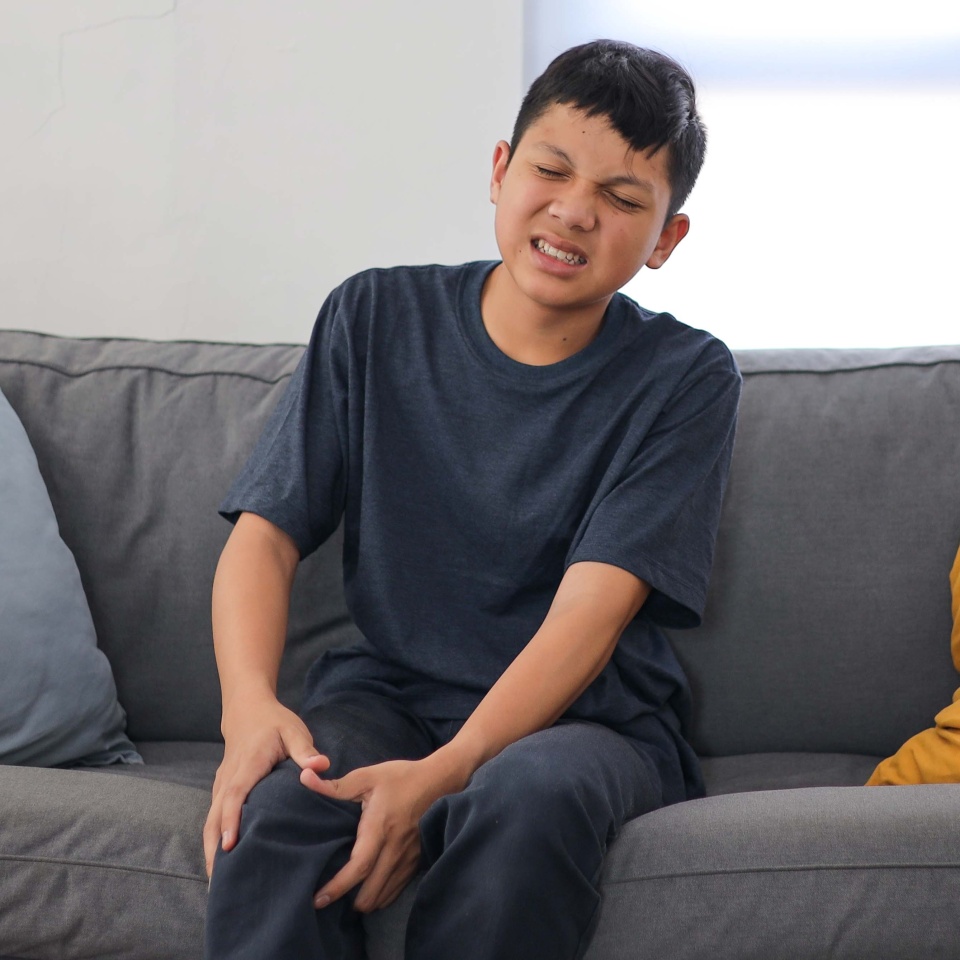
Recognizing the symptoms of articular cartilage defects is essential for timely intervention. Common symptoms include pain, swelling, and mechanical issues like clicking or locking in the joint. These symptoms can significantly affect your daily activities and participation in sports.
Pain may worsen with activity and improve with rest, while swelling can indicate inflammation in the joint. If you experience these signs, it is advisable to consult a healthcare professional in Los Angeles for an accurate diagnosis. Early detection and treatment can help prevent further joint damage and improve long-term outcomes, making it vital to be aware of these symptoms and seek help promptly.
How physical therapy aids in cartilage defect recovery
Physical therapy plays a vital role in the recovery from articular cartilage defects. It helps strengthen the muscles around the joint, improves flexibility, and enhances overall mobility. A physical therapy program designed specifically for your condition can aid in reducing pain and restoring function, making it an essential part of your treatment plan.
Therapists may employ various techniques, including manual therapy, therapeutic exercises, and modalities like ultrasound or electrical stimulation. These interventions not only promote healing but also educate patients on proper movement patterns and joint protection strategies to prevent future injuries.


Microfracture technique for treating cartilage defects
The microfracture technique is a minimally invasive procedure used to treat articular cartilage defects. This method involves creating small holes in the underlying bone to stimulate blood flow and promote cartilage repair. It is particularly effective for smaller, well-contained defects and typically requires a recovery period of 6-8 weeks.
During this time, patients are encouraged to engage in low-impact activities to facilitate healing. The microfracture technique has been shown to improve symptoms and restore function in many patients, making it a valuable option for those seeking to regain joint function. The quality of the newly formed cartilage may not match that of the original cartilage, which can influence long-term outcomes.
Osteochondral autograft transfer explained
Osteochondral autograft transfer is another surgical option for treating cartilage defects. This technique involves harvesting a plug of healthy cartilage and bone from a non-weight-bearing area of the joint and transplanting it into the defect. While this method is limited by the availability of donor sites, it is best suited for smaller defects and can provide significant relief for patients.
The procedure typically results in a more durable repair compared to microfracture, as the transplanted tissue retains its original structure and function. Post-operative rehabilitation is crucial for optimizing the results of this procedure, and patients must adhere to a structured recovery plan to ensure the best outcomes.
Autologous chondrocyte implantation process overview
Autologous chondrocyte implantation is a two-stage procedure that offers a promising solution for larger cartilage defects. Initially, a small sample of the patient’s cartilage is cultured to produce new cells. These cells are then implanted into the defect, allowing for natural cartilage regeneration.
This method has shown encouraging long-term outcomes and is available for patients in Los Angeles, and those traveling from throughout California and beyond, who are looking for advanced treatment options. The success of this procedure relies on the patient’s dedication to post-operative rehabilitation, which includes gradual weight-bearing and specific exercises to promote healing and restore function.
Patients often report significant improvements in pain and mobility following this treatment.
Surgical options for extensive cartilage damage
In cases of extensive cartilage damage, more invasive surgical options may be necessary. Joint resurfacing or total joint replacement can be considered when other treatments are unsuccessful. Joint resurfacing involves capping the damaged surfaces of the joint with metal or plastic components, while total joint replacement entails replacing the entire joint with an artificial implant.
The choice of surgery depends on the specific characteristics of the defect and the patient’s overall health and activity goals. Dr. Kabaei will work closely with you to determine the best approach for your situation, taking into account factors such as age, activity level, and the extent of cartilage damage.
Knowing the potential risks and benefits of each surgical option is essential for making an informed decision.
Post-treatment care for optimal recovery
Post-treatment care is crucial for optimal recovery from articular cartilage defects. This often includes a structured physical therapy program to restore mobility and strength. Patients are typically advised to avoid high-impact activities during the recovery phase to support the best possible outcome.
Adhering to a prescribed rehabilitation protocol is vital, as it helps to prevent complications and promotes healing. Regular follow-up appointments with Dr. Kabaei will allow for monitoring of progress and adjustments to the treatment plan as needed. Engaging in a healthy lifestyle, including proper nutrition and weight management, can also support recovery and enhance joint health in the long term.
Frequently Asked Questions
-
Articular cartilage defects can result from acute injuries such as falls or dislocations, as well as chronic wear and tear due to factors like joint instability or abnormal joint structure. Other contributing factors include age, obesity, and previous joint injuries, which can increase the likelihood of developing these defects.
-
Common symptoms of articular cartilage defects include pain, swelling, and mechanical issues such as clicking or locking in the joint. These symptoms can significantly affect daily activities and sports participation, making it essential to seek a healthcare professional’s advice for an accurate diagnosis if you experience them.
-
Physical therapy is crucial for recovery from articular cartilage defects as it helps strengthen the surrounding muscles, improves flexibility, and enhances overall mobility. A customized physical therapy program can alleviate pain and restore function, making it an integral part of your treatment plan.
-
The microfracture technique is a minimally invasive procedure that involves creating small holes in the underlying bone to stimulate blood flow and promote cartilage repair. This method is particularly effective for smaller, well-contained defects and typically requires a recovery period of 6-8 weeks, during which low-impact activities are encouraged.
-
Post-treatment care is essential for optimal recovery and often includes a structured physical therapy program to restore mobility and strength. Patients are generally advised to avoid high-impact activities during the recovery phase, and regular follow-up appointments with Dr. Kabaei are important for monitoring progress and making necessary adjustments to the treatment plan.

Why Choose Us for Articular Cartilage Defect Treatment
At Robotic Hip and Knee Replacement LA, we specialize in the treatment of articular cartilage defects, offering advanced surgical options and a patient-centered approach. Led by Dr. Farzin Kabaei, a board-certified orthopedic surgeon with extensive experience, our practice is dedicated to restoring mobility and alleviating pain for patients from Los Angeles and across the country.
With over 2,000 successful hip replacements and more than 2,000 knee replacements, Dr. Kabaei utilizes innovative techniques, including the Mako robotic-assisted joint replacement system, to ensure precise and effective care. He is fully certified in Stryker MAKO robotic-assisted surgery and has been using robotic technology for over seven years, serving as an education and training center for other surgeons.
Our multi-disciplinary approach includes treatment plans that consider each patient’s unique circumstances. We provide a range of options from conservative therapies to advanced surgical interventions, such as microfracture and autologous chondrocyte implantation. Dr. Kabaei’s approach ensures that you receive care suited to your specific needs, helping you regain an active lifestyle.
Dr. Farzin Kabaei, MDSchedule your consultation for cartilage treatment today
If you are experiencing symptoms of an articular cartilage defect, do not wait to seek help. Schedule your consultation with Dr. Farzin Kabaei at our Los Angeles practice today. With his extensive experience and training, including advanced fellowship training at Cedars-Sinai Medical Center and certification in Wilderness Medicine, you can trust that you are in capable hands.
Our team is dedicated to providing care and support throughout your treatment journey, ensuring that you have the resources and information needed to make informed decisions about your health.
Medically reviewed by Farzin Kabaei, M.D. on