If you are dealing with a patella tendon tear or rupture, you deserve care from a highly trained orthopedic specialist. Dr. Farzin Kabaei, MD, is an orthopedic surgeon with extensive experience in treating knee injuries, including patellar tendon tears.
He is a graduate of Albert Einstein College of Medicine and completed his orthopedic surgery residency at Montefiore / Einstein Medical Center, one of the nation’s most rigorous training programs. With advanced fellowship training at Cedars-Sinai Medical Center focused on complex joint reconstruction, Dr. Kabaei combines the latest medical advancements with a compassionate approach to each patient’s unique circumstances. This ensures a treatment plan that addresses both immediate concerns and long-term recovery goals.
Amazing Doctor! Knowledgeable, thorough and professional. Anyone under Dr. Kabaei’s care is in good hands
Symptoms of a Patella Tendon Tear to Recognize
Recognizing the symptoms of a patella tendon tear is crucial for timely treatment. Common signs include a sudden ‘pop’ sound during the injury, severe pain, swelling around the knee, and difficulty straightening the leg. Patients may also experience bruising and tenderness along the tendon, which can further indicate the severity of the injury.
If you experience these symptoms, it is essential to seek medical attention promptly. Early diagnosis can significantly impact the effectiveness of treatment and the overall recovery process, allowing for a more favorable outcome.
Common Causes of Patella Tendon Injuries
Patella tendon injuries often occur due to acute trauma or chronic overuse. Athletes, especially those involved in sports requiring jumping or quick direction changes, are at a higher risk. Sports such as basketball, volleyball, and soccer place significant stress on the knee joint, increasing the likelihood of tendon injuries.
Underlying medical conditions, such as rheumatoid arthritis or diabetes, can also contribute to the likelihood of sustaining this injury. Improper training techniques, inadequate warm-up routines, and lack of conditioning can increase the risk.
This highlights the significance of preventive measures in athletic training.
Grading the Severity of Patella Tendon Tears
Patella tendon tears are classified into three grades. Grade 1 represents a sprain, Grade 2 indicates a partial tear, and Grade 3 signifies a complete rupture. The severity of your injury is vital for determining the appropriate treatment approach.
Each grade presents different challenges and recovery timelines. Grade 1 injuries often resolve with conservative treatment, while Grade 3 injuries may require surgical intervention. Accurate grading through imaging studies, such as MRI, helps orthopedic specialists develop a treatment plan suited to the specific needs of the patient.
Non-Surgical Treatment Options for Minor Tears
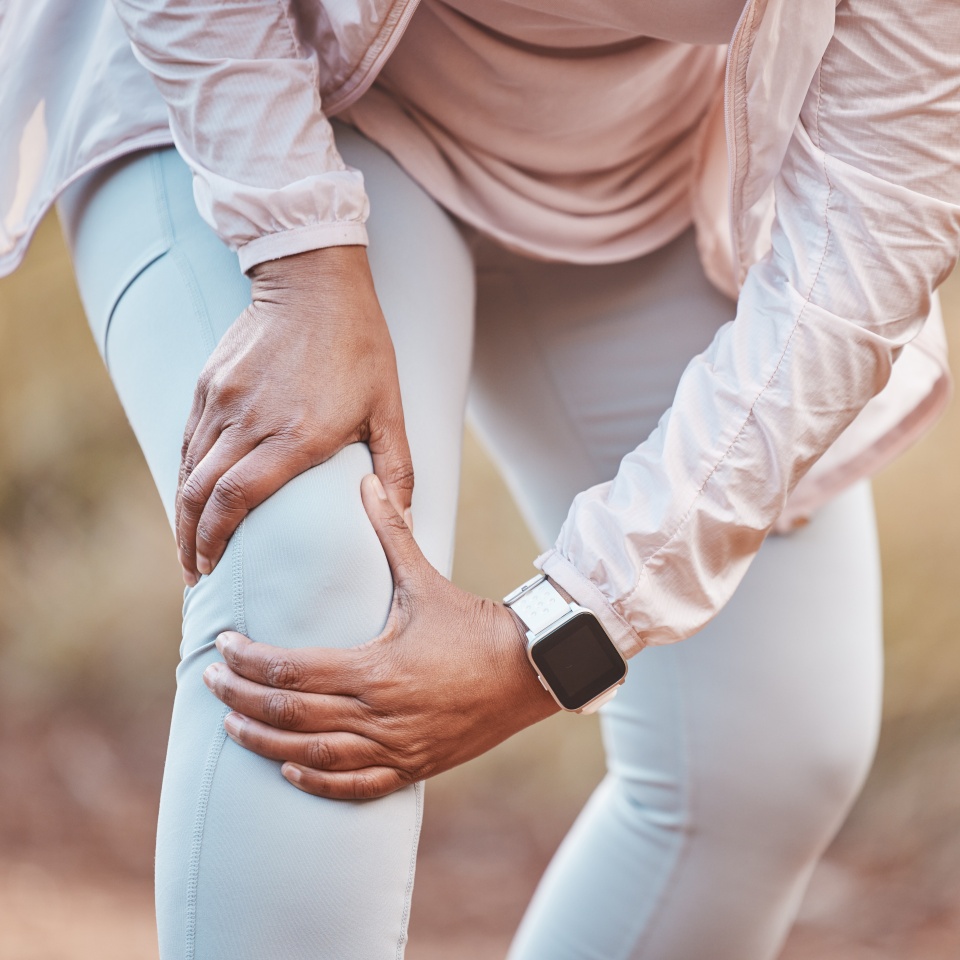
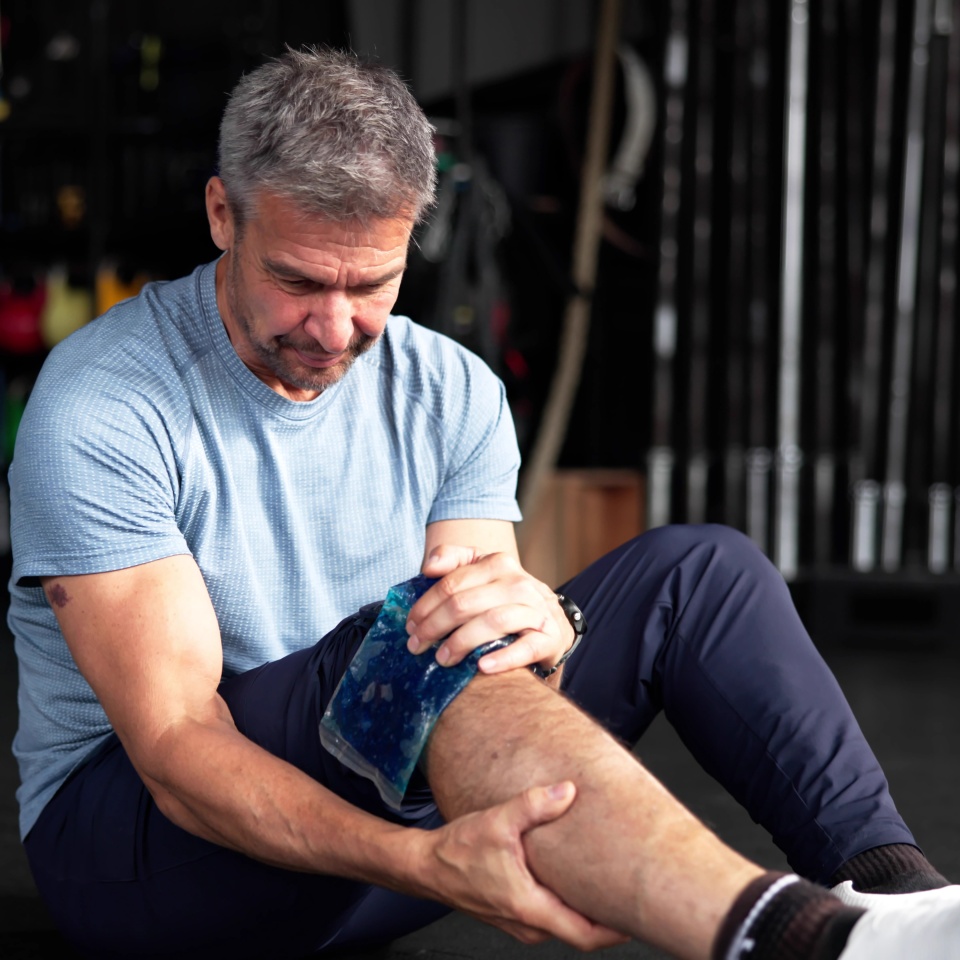
For minor patella tendon tears, non-surgical treatment options can be effective. These may include rest, ice, compression, and elevation (RICE), along with immobilization using a brace. Physical therapy is also recommended to strengthen the surrounding muscles and support recovery.
Ultrasound therapy and electrical stimulation may be employed to enhance healing. Patients are often encouraged to engage in low-impact activities, such as swimming or cycling, to maintain fitness without placing undue stress on the injured tendon.
Education on proper body mechanics and movement patterns can also play a role in preventing future injuries.
Surgical Approaches for Complete Patella Tendon Ruptures
Complete ruptures of the patella tendon typically require surgical intervention. The procedure involves suturing the torn tendon back to the kneecap. This surgery is often performed arthroscopically, which minimizes tissue damage and promotes quicker recovery.
Dr. Kabaei is fully certified in Stryker MAKO robotic-assisted surgery and has been using robotic technology for over seven years. This allows for precise implant placement and reduced tissue trauma.
Following surgery, a structured rehabilitation program is essential for restoring function and mobility. Post-operative care may include the use of a continuous passive motion (CPM) machine to facilitate early movement and reduce stiffness.
The surgical approach and rehabilitation plan are adjusted to the individual, considering factors such as age, activity level, and specific athletic goals.
Rehabilitation Strategies for Patella Tendon Recovery
Rehabilitation is a critical component of recovery from a patella tendon injury. After surgery, patients may be immobilized for several weeks. Gradual physical therapy focuses on restoring range of motion, strength, and functional training.
The rehabilitation process typically progresses through phases, beginning with gentle range-of-motion exercises and advancing to strengthening and sport-specific drills. Adhering to rehabilitation protocols is important to avoid complications and support recovery.
Regular follow-up appointments with the orthopedic specialist can help monitor progress and make necessary adjustments to the rehabilitation plan, ensuring that patients stay on track toward their recovery goals.
Factors Influencing Treatment Decisions for Patella Injuries
Several factors influence treatment decisions for patella tendon injuries, including the severity of the tear, the patient’s age, activity level, and overall health. A thorough diagnosis from an orthopedic specialist is essential to avoid misdiagnosis and ensure appropriate treatment.
Patient preferences and lifestyle considerations also play a significant role in determining the best course of action. For instance, an athlete may prioritize a quicker return to sport, while a non-active individual may opt for a more conservative approach.
Open communication between the patient and the healthcare team is vital for making informed decisions that align with the patient’s goals and expectations.
Frequently Asked Questions
-
Common symptoms include a sudden ‘pop’ sound at the time of injury, severe pain, swelling around the knee, and difficulty straightening the leg. Patients may also experience bruising and tenderness along the tendon, which can indicate the severity of the injury.
-
Patella tendon tears can occur due to acute trauma or chronic overuse, particularly in athletes involved in sports that require jumping or quick direction changes. Underlying medical conditions, such as rheumatoid arthritis or diabetes, can also increase the risk of sustaining this injury.
-
Patella tendon tears are classified into three grades: Grade 1 represents a sprain, Grade 2 indicates a partial tear, and Grade 3 signifies a complete rupture. The severity of the injury is crucial for determining the appropriate treatment approach.
-
For minor patella tendon tears, non-surgical treatment options may include rest, ice, compression, elevation (RICE), and immobilization with a brace. Physical therapy is also recommended to strengthen the surrounding muscles and support recovery.
-
Surgical intervention for complete ruptures typically involves suturing the torn tendon back to the kneecap, often performed arthroscopically to minimize tissue damage. Post-operative care includes a structured rehabilitation program to restore function and mobility.

Why Choose Us for Patella Tendon Tear Treatment
At Robotic Hip and Knee Replacement LA, we specialize in treating patella tendon tears and ruptures with a focus on advanced surgical techniques and personalized care. Dr. Farzin Kabaei, MD, is an orthopedic surgeon with extensive experience in knee injuries, having performed over 2,000 knee replacements, including more than 1,000 robotic-assisted procedures.
This level of experience allows us to provide precise and effective treatment suited to each patient’s unique needs. Our practice utilizes the Mako robotic-assisted joint replacement system, which enhances surgical precision and may reduce recovery time.
We offer a multi-disciplinary approach that includes both surgical and non-surgical options, ensuring that patients receive the most appropriate care based on the severity of their injury. With a focus on patient education and individualized treatment plans, we strive to help our patients regain mobility and return to their active lifestyles.
Dr. Farzin Kabaei, MDGet Expert Care for Your Patella Tendon Injury Today
If you are experiencing a patella tendon tear or rupture, don’t wait to seek help. Dr. Farzin Kabaei, MD, who is a Fellow of the American Academy of Orthopaedic Surgeons and a member of the American Association of Hip and Knee Surgeons, is here to provide you with experienced care in Los Angeles.
His approach includes a thorough evaluation and a personalized treatment plan. Contact our practice today to schedule a consultation and take the first step toward recovery.
With the right support and treatment, you can regain your strength and return to the activities you enjoy.