When it comes to shoulder labral tears, you want the best care possible. Dr. Farzin Kabaei, MD, a board-certified orthopedic surgeon in Los Angeles, specializes in treating complex shoulder conditions. He has completed advanced fellowship training at Cedars-Sinai Medical Center and has performed over 1,000 robotic-assisted joint replacement procedures.
With extensive training and experience, including over 2,000 joint replacement surgeries, Dr. Kabaei is dedicated to restoring your mobility and reducing pain. His practice focuses on personalized treatment plans that cater to your unique needs. This individualized approach ensures that each patient receives care that is not only effective but also aligned with their lifestyle and recovery goals.
Amazing Doctor! Knowledgeable, thorough and professional. Anyone under Dr. Kabaei’s care is in good hands
What is a shoulder labral tear
A shoulder labral tear is an injury to the labrum, a ring of cartilage that stabilizes the shoulder joint. This injury can result from acute trauma, such as a fall or dislocation, or from repetitive overhead activities, often seen in athletes. The labrum serves as an attachment point for ligaments and helps keep the ball of the shoulder joint securely in place.
Recognizing this injury is crucial for effective treatment, as the labrum plays a significant role in maintaining shoulder stability and function.
Common causes of shoulder labral tears
Shoulder labral tears can occur due to various reasons. Acute injuries, like falls or sports-related impacts, are common causes. For instance, contact sports such as football or hockey often lead to sudden injuries that can tear the labrum.
Repetitive overhead motions, often performed by athletes or individuals in physically demanding jobs, can also lead to this type of injury. Activities such as swimming, baseball, and weightlifting put significant stress on the shoulder joint, increasing the risk of labral tears.
Recognizing these causes can help in prevention and early intervention, allowing individuals to modify their activities or seek preventive care.
Identifying symptoms of shoulder labral tears
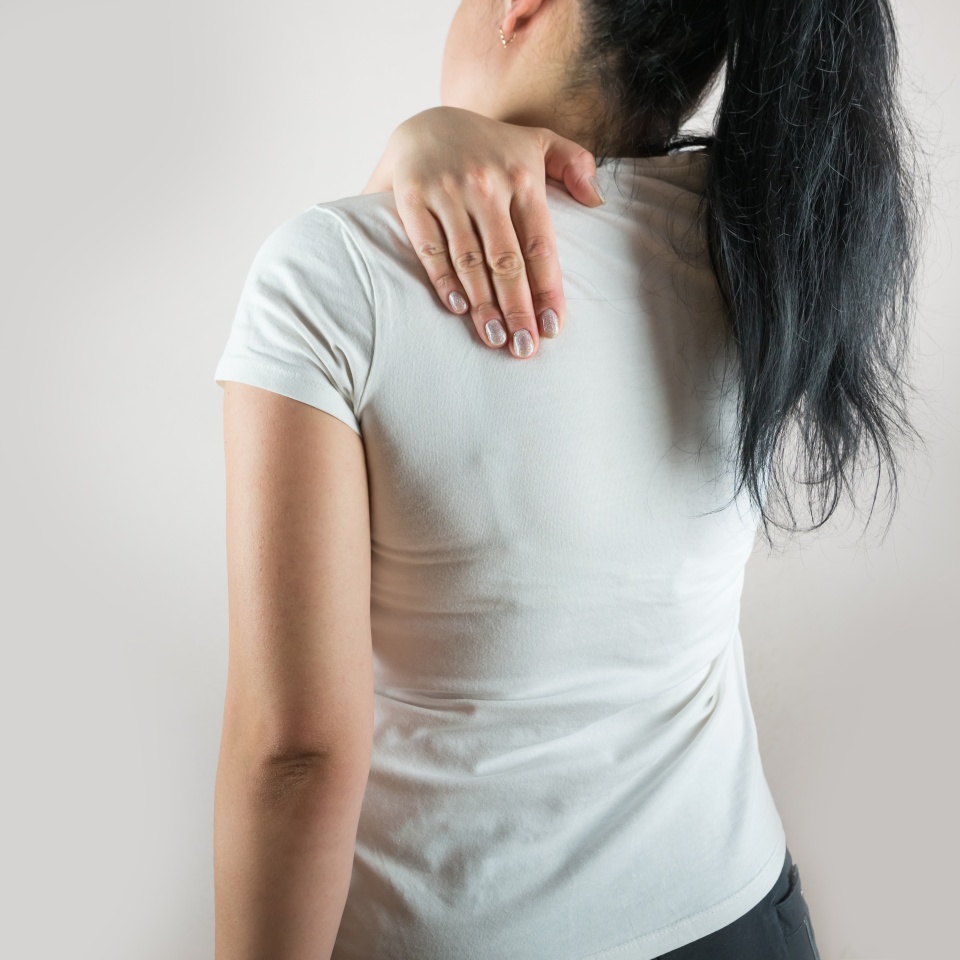
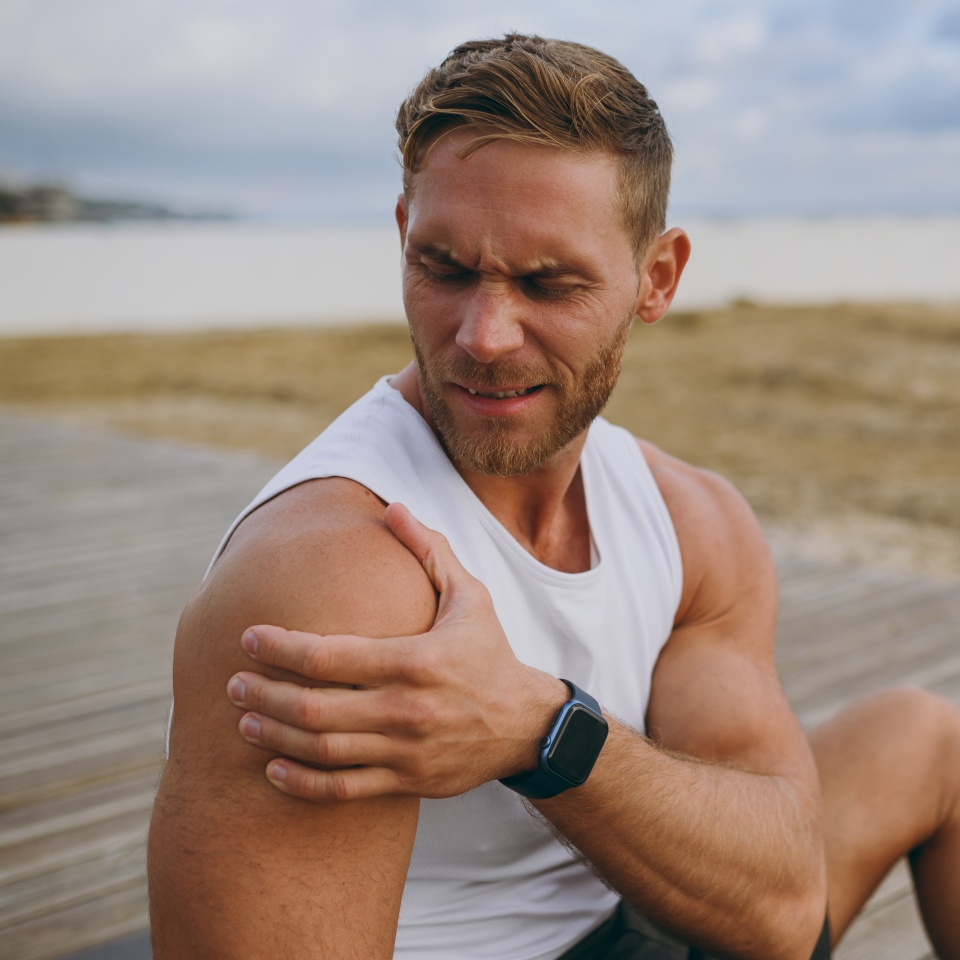
Symptoms of a shoulder labral tear often include shoulder pain, instability, and a sensation of catching or locking in the joint. You may also experience weakness in the shoulder or difficulty lifting your arm.
Some patients report a deep, aching pain that worsens with specific movements or activities. Identifying these symptoms early can lead to more effective treatment options, as prompt diagnosis can prevent further damage and facilitate a quicker return to normal function.
Non-surgical treatment options for labral tears
Many shoulder labral tears can be managed without surgery. Initial management typically involves rest and pain relief through medications, such as nonsteroidal anti-inflammatory drugs (NSAIDs). Physical therapy plays a vital role in strengthening the shoulder and improving range of motion.
A physical therapist may employ various techniques, including manual therapy, stretching, and strengthening exercises designed for the individual’s specific needs. In some cases, corticosteroid injections may be used to reduce inflammation and pain, providing temporary relief that can enhance the effectiveness of physical therapy.
Role of physical therapy in recovery
Physical therapy is essential for recovery from a shoulder labral tear. A rehabilitation program can help restore strength and flexibility to the shoulder. This program often begins with gentle range-of-motion exercises and gradually progresses to more challenging strength-building activities.
Working closely with a physical therapist can enhance your recovery and help you return to your daily activities more quickly. Physical therapists can also educate patients on proper body mechanics and techniques to avoid re-injury, which is crucial for long-term shoulder health.
Surgical approaches for shoulder labral tears
When conservative treatments fail or if the tear is significant, surgical intervention may be necessary. Arthroscopic surgery is commonly used to repair or debride the damaged labrum. This minimally invasive approach allows for quicker recovery times and less postoperative pain.
During the procedure, small incisions are made, and a camera is inserted to guide the surgeon in repairing the labrum. Dr. Kabaei’s advanced training at Cedars-Sinai Medical Center supports his use of evidence-based surgical techniques.
Post-surgery, patients typically undergo a structured rehabilitation program to ensure optimal recovery and restore function to the shoulder.
Recovery timeline after labral tear treatment
Recovery from a shoulder labral tear varies based on the severity of the injury and the treatment approach, non-surgical treatments may lead to improvement within weeks, but full recovery can take several months. Surgical recovery can take longer, often requiring a commitment to physical therapy and rehabilitation.
Individual results may vary, and it is important to follow your healthcare provider’s guidance for a successful recovery, including adhering to activity restrictions and gradually reintroducing movements to avoid complications.
How to choose the right treatment plan
Choosing the right treatment plan for a shoulder labral tear involves considering factors such as the type of tear, your activity level, and any associated injuries. For instance, athletes may require a more aggressive approach to ensure they can return to their sport, while non-athletes may benefit from a conservative treatment plan.
Consulting with an experienced orthopedic surgeon like Dr. Kabaei can help you make an informed decision based on your specific needs. A thorough evaluation, including imaging studies, will provide insights into the best course of action for your recovery.
Frequently Asked Questions about Shoulder Labral Tears
-
A shoulder labral tear is an injury to the labrum, which is a ring of cartilage that stabilizes the shoulder joint. This injury can occur due to acute trauma or repetitive overhead activities, leading to symptoms such as pain and instability.
-
Symptoms often include shoulder pain, a sensation of catching or locking in the joint, and weakness when lifting the arm. Early identification of these symptoms is crucial for effective treatment and recovery.
-
Non-surgical treatments typically involve rest, pain management with medications, and physical therapy aimed at strengthening the shoulder. In some cases, corticosteroid injections may be used to alleviate inflammation and pain.
-
Surgery may be considered when conservative treatments fail or if the tear is significant. Arthroscopic surgery is a common approach that allows for repair of the labrum with minimal invasiveness, leading to quicker recovery times.
-
Recovery time varies based on the severity of the injury and the treatment method. Non-surgical recovery may take weeks, while surgical recovery often requires several months of rehabilitation to restore full function.
-
While treatment aims to fully heal the labrum, there is a risk of re-injury, especially if proper rehabilitation and activity modifications are not followed. Adhering to your physical therapy program and avoiding high-risk activities can reduce this risk.
-
As with any surgery, risks include infection, stiffness, nerve injury, and incomplete healing. Your surgeon will discuss these risks and how they are minimized through advanced techniques and postoperative care.
-
Return to sports or heavy lifting depends on the treatment type and individual recovery. Typically, non-surgical patients may resume activities sooner, while surgical patients often require several months of rehabilitation before returning to full activity.
Why Choose Us for Shoulder Labral Tear Treatment
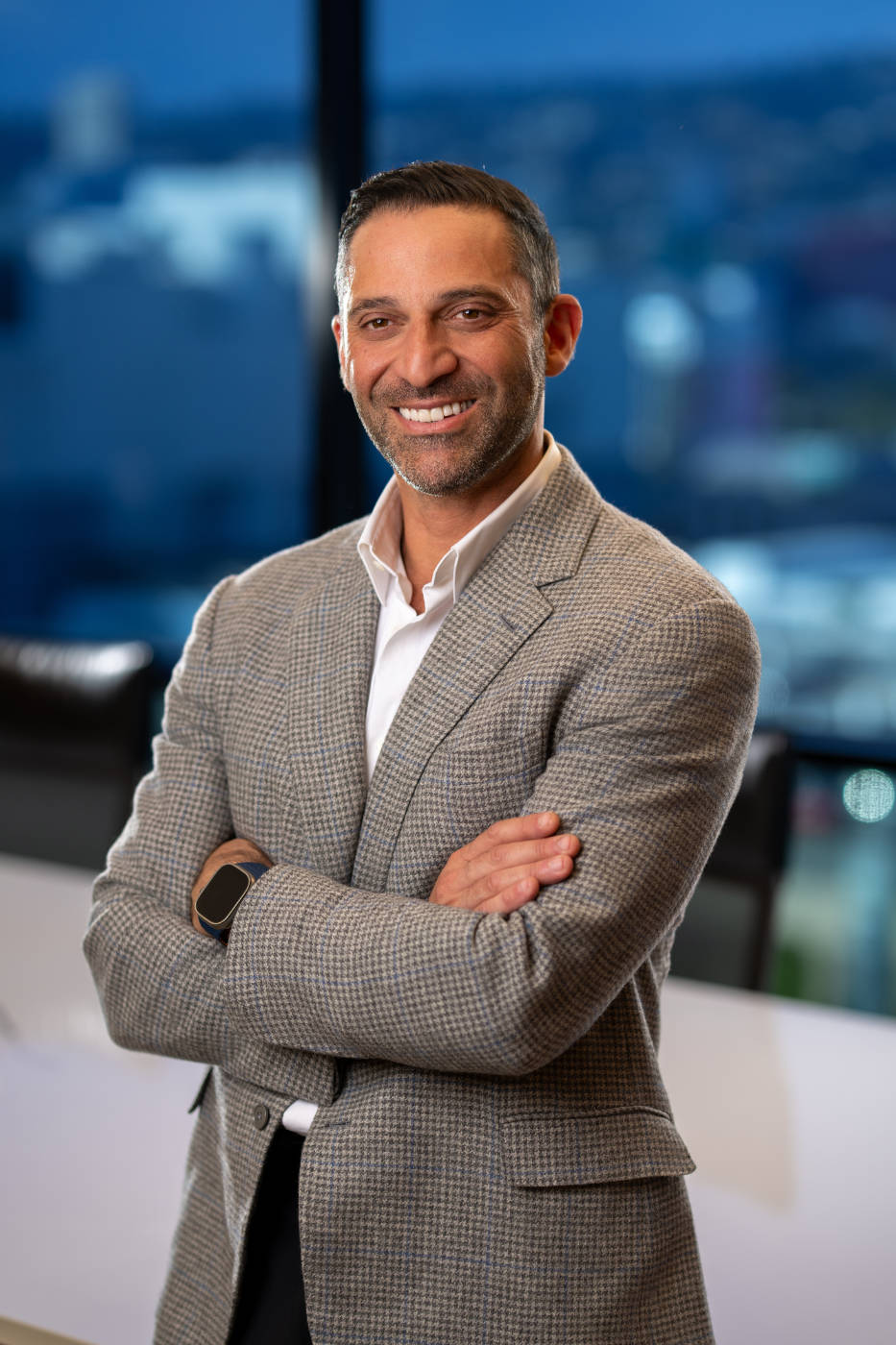
At our Los Angeles practice, we specialize in treating shoulder labral tears with a focus on individualized care. Dr. Farzin Kabaei, MD, is a board-certified orthopedic surgeon with extensive experience in shoulder conditions, having performed numerous successful surgeries.
His training includes a fellowship at Cedars-Sinai Medical Center, ensuring that you receive care grounded in advanced surgical techniques and evidence-based practices. He is also a Fellow of the American Academy of Orthopaedic Surgeons and a member of the American Association of Hip and Knee Surgeons.
We offer a multi-disciplinary approach that includes both non-surgical and surgical options designed for your specific needs. Dr. Kabaei is fully certified in the Stryker MAKO robotic-assisted surgery system and has been using this technology for over seven years. This allows for precision in treatment, minimizing recovery time and enhancing outcomes.
Whether you require physical therapy or surgical intervention, our team is dedicated to helping you regain mobility and return to your active lifestyle.
Dr. Farzin Kabaei, MDSchedule your consultation for shoulder labral tear care
If you are experiencing symptoms of a shoulder labral tear, don’t wait to seek help. Schedule your consultation with Dr. Farzin Kabaei in Los Angeles today. With his extensive experience, including advanced fellowship training and certification in robotic-assisted surgery, and his personalized approach, you can trust that you are in capable hands for your shoulder care.
Early intervention can significantly improve outcomes, allowing you to regain full function and enjoy an active lifestyle once again. Our practice accepts most PPO and Medicare plans and offers same-day outpatient surgery options when appropriate.