Shoulder conditions can significantly impact your daily life, causing pain and limiting mobility. At Robotic Hip and Knee Replacement LA, we specialize in treating various shoulder conditions under the guidance of Dr. Farzin Kabaei, a board-certified orthopedic surgeon with extensive, hands-on experience treating a wide range of hip, knee, and shoulder conditions.
Dr. Kabaei’s practice focuses on restoring mobility and relieving pain, helping patients return to active, independent lives in Los Angeles. Our approach combines advanced medical techniques with personalized care, ensuring that each patient receives the attention and treatment they deserve.
Dr Kabaei performed my wrist surgery 4 years ago after a bad car accident that crushed my wrist. I am happy to say I have full function and mobility of my wrist with no issues. I am extremely grateful for Dr Kabaei’s pristine skills as a surgeon and Dr. I trust him and his team and highly recommend him to anyone that needs care in his area of expertise.
Common Shoulder Conditions and Their Symptoms
Shoulder conditions encompass a range of disorders, including shoulder arthritis, rotator cuff tears, frozen shoulder, shoulder impingement, and dislocations. Symptoms often include pain, stiffness, weakness, and a limited range of motion. These issues can affect anyone, especially those who engage in repetitive overhead activities or sports.
For instance, athletes, manual laborers, and even office workers who spend long hours at a desk may experience shoulder discomfort due to poor posture or repetitive strain. Recognizing the specific symptoms associated with each condition is crucial for early diagnosis and effective treatment.
Dr. Kabaei’s advanced fellowship training at Cedars-Sinai Medical Center, with a focus on complex joint reconstruction, supports precise diagnosis and management of these conditions.
How Shoulder Arthritis Affects Daily Life
Shoulder arthritis, particularly osteoarthritis, can lead to chronic pain and stiffness, making everyday tasks challenging. Activities like reaching for items or lifting can become painful, impacting your quality of life. The condition often progresses gradually, and patients may initially dismiss mild discomfort as a normal part of aging.
As the cartilage wears down, the pain can become more pronounced, leading to significant limitations in mobility. Treatment options may include physical therapy, anti-inflammatory medications, or, in advanced cases, shoulder replacement surgery. Dr. Kabaei’s experience performing over 1,000 robotic-assisted joint replacement procedures allows him to offer advanced surgical options when appropriate.
Discussing these options with a healthcare provider is essential to determine the best course of action based on the severity of the condition. Rotator cuff tears are common shoulder injuries that can cause severe pain and weakness.
Recognizing Signs of Rotator Cuff Tears
Signs include difficulty lifting your arm, a clicking sound when moving the shoulder, and persistent pain at night. These tears can occur due to acute injuries or chronic wear and tear, particularly in individuals over the age of 40.
Early recognition and treatment are crucial for effective recovery. Diagnostic imaging, such as MRI or ultrasound, may be necessary to assess the extent of the tear and guide treatment decisions. In some cases, surgical repair may be required to restore function and alleviate pain.
Dr. Kabaei’s orthopedic surgery residency at Montefiore / Einstein Medical Center provided rigorous training in managing such injuries.
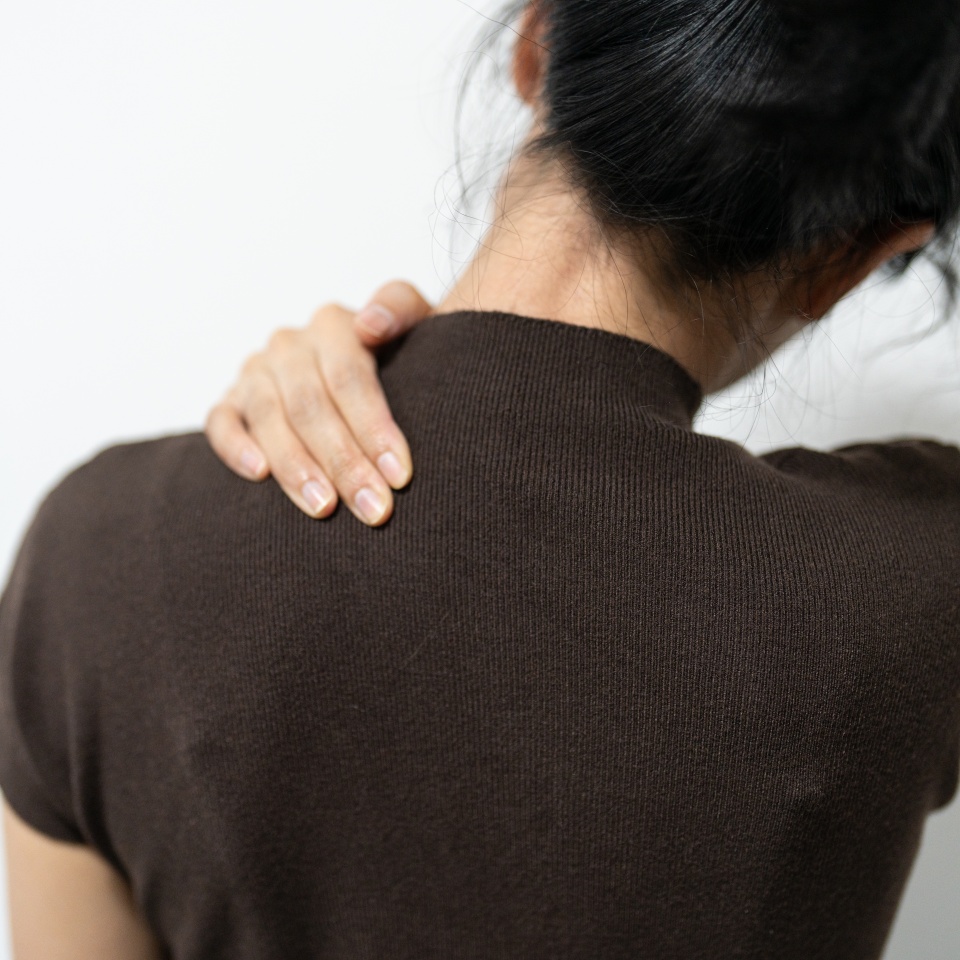

Exploring Treatment Options for Frozen Shoulder
Frozen shoulder, or adhesive capsulitis, leads to stiffness and pain in the shoulder joint. Treatment typically involves physical therapy to improve range of motion and reduce pain. This may include specific stretching exercises designed to gradually increase flexibility.
Corticosteroid injections may be recommended to alleviate inflammation in some cases. Frozen shoulder can take time to resolve, often lasting several months to years, and patience is key during the recovery process.
Patients benefit from education on the stages of frozen shoulder to set realistic expectations for their treatment journey. Dr. Kabaei’s certification in Wilderness Medicine reflects his advanced training in emergency and decision-making skills, which supports thorough patient care. Physical therapy is a cornerstone of shoulder pain management.
Physical Therapy Techniques for Shoulder Pain
Techniques may include stretching, strengthening exercises, and manual therapy. These methods aim to improve mobility and reduce discomfort, helping you return to your daily activities.
A skilled physical therapist will develop a program based on your specific needs, focusing on exercises that target the muscles surrounding the shoulder joint. Education on proper body mechanics and posture can play a significant role in preventing future injuries.
Regular follow-up sessions can help monitor progress and adjust the treatment plan as necessary. Shoulder dislocation can be a painful and recurring issue.
Surgical Interventions for Shoulder Dislocation
Surgical interventions may be necessary for severe cases or repeated dislocations. Dr. Kabaei utilizes advanced techniques to stabilize the shoulder and restore function, allowing you to regain confidence in your movements.
Surgical options may include arthroscopic stabilization procedures, which are minimally invasive and promote quicker recovery times. Post-surgery rehabilitation is critical to ensure proper healing and regain strength, often involving a structured physical therapy program to restore full range of motion.
Dr. Kabaei’s practice includes a focus on surgical and non-surgical treatment of shoulder conditions, supported by his board certification and fellowship with the American Academy of Orthopaedic Surgeons.
Managing Shoulder Impingement with Conservative Care
Shoulder impingement occurs when the shoulder blade compresses the rotator cuff tendons. Conservative care, including rest, physical therapy, and anti-inflammatory medications, is often effective. Corticosteroid injections may provide additional relief in some cases.
Patients are encouraged to modify their activities to avoid positions that exacerbate the condition. Learning the mechanics of shoulder movement can help patients identify and avoid movements that may lead to impingement, facilitating a quicker recovery.
Regular follow-up with a healthcare provider can help track progress and make necessary adjustments to the treatment plan. Preventing shoulder conditions involves making lifestyle adjustments.
Lifestyle Changes to Prevent Shoulder Conditions
Regular exercise, proper lifting techniques, and maintaining a healthy weight can help reduce the risk of injuries. Staying active and aware of your body mechanics is essential for shoulder health.
Incorporating strength training and flexibility exercises into your routine can enhance shoulder stability and resilience. Ergonomic assessments in the workplace can help identify risk factors and implement changes that promote better posture and reduce strain on the shoulders.
Education on the importance of warm-up and cool-down routines before and after physical activities can further contribute to shoulder health. If you’re experiencing shoulder pain or suspect a shoulder condition, don’t hesitate to reach out.

Frequently Asked Questions about Shoulder Conditions
-
Common symptoms of shoulder conditions include pain, stiffness, weakness, and limited range of motion. These symptoms can significantly affect daily activities and may require medical evaluation for proper diagnosis and treatment. Patients often report difficulty with overhead activities and nighttime discomfort.
-
Diagnosis typically involves a thorough medical history and physical examination, often supplemented by imaging studies such as X-rays or MRIs. At our practice, we use state-of-the-art imaging and diagnostic tools to accurately identify the specific condition affecting your shoulder and tailor treatment accordingly.
-
Treatment options for shoulder arthritis may include physical therapy, anti-inflammatory medications, and in advanced cases, shoulder replacement surgery. Dr. Kabaei offers robotic-assisted surgical options that can improve precision and recovery times. Treatment plans are personalized based on the severity and patient lifestyle.
-
Frozen shoulder, or adhesive capsulitis, leads to stiffness and pain in the shoulder joint. Treatment often involves physical therapy to improve range of motion, and in some cases, corticosteroid injections may be used to reduce inflammation. Patient education on the condition’s stages helps set realistic expectations for recovery.
-
You should seek medical attention for shoulder pain if it persists beyond a few weeks, worsens, or is accompanied by other symptoms such as swelling, numbness, or inability to move the arm. Early intervention at our clinic can lead to more effective treatment and better outcomes. Individual results may vary.

Why Choose Us for Shoulder Conditions in Los Angeles
At Robotic Hip and Knee Replacement LA, we specialize in treating a variety of shoulder conditions, including rotator cuff tears, shoulder arthritis, and frozen shoulder. Led by Dr. Farzin Kabaei, a board-certified orthopedic surgeon with extensive experience in joint care, our practice is focused on restoring mobility and alleviating pain for patients in Los Angeles.
Dr. Kabaei’s advanced training and hands-on experience ensure that each treatment plan is developed to meet the unique needs of every patient.
Our multi-disciplinary approach includes both surgical and non-surgical options, utilizing advanced techniques such as the Mako robotic-assisted joint replacement system for joint replacements. We emphasize patient education and individualized care, ensuring that you are informed and comfortable with your treatment choices.
With a focus on evidence-based practices, we aim to help you regain an active lifestyle and improve your overall quality of life. Dr. Kabaei regularly teaches medical students and orthopedic residents, contributing to the advancement of modern joint replacement techniques.
Dr. Farzin Kabaei, MDSchedule Your Consultation for Shoulder Health
At Robotic Hip and Knee Replacement LA in Los Angeles, we offer personalized treatment plans developed by Dr. Farzin Kabaei, who has performed thousands of joint replacement surgeries and is trained in advanced robotic-assisted techniques.
Our team provides care that addresses both symptoms and underlying causes of your shoulder issues. Request a consultation with Dr. Kabaei to discuss your symptoms and treatment options. Early evaluation can help you take the first step towards better shoulder health.
Individual results may vary, and treatment plans are designed to meet your specific needs.
Medically reviewed by Farzin Kabaei, M.D. on