Shoulder replacement surgery, also known as shoulder arthroplasty, is a transformative procedure for individuals suffering from debilitating shoulder pain and dysfunction. Led by Dr. Farzin Kabaei, MD, a board-certified orthopedic surgeon with extensive, hands-on experience treating a wide range of shoulder conditions, our practice in Los Angeles specializes in this surgery.
Dr. Kabaei has performed over 1,000 shoulder replacements, including complex and revision cases, utilizing advanced techniques to restore mobility and alleviate pain for patients facing severe conditions. His expertise not only encompasses the surgical procedure itself but also the pre-operative medical optimization and post-operative care that are crucial for successful outcomes.
Dr. Kabei is wonderful! He was very patient explaining everything about my hip replacement surgery. He put me at ease and everything unfolded just like he said it would. He was available by phone for my questions so I didn’t worry or doubt that I was recovering just right. I recommend him very highly as an excellent surgeon and a caring and patient person.
Shoulder Replacement Surgery Overview
This surgical procedure replaces damaged parts of the shoulder joint with artificial components, typically made of metal and plastic. It is primarily indicated for patients with severe shoulder pain due to conditions like osteoarthritis, rheumatoid arthritis, rotator cuff injuries, fractures, and avascular necrosis.
Candidates often experience persistent pain that limits daily activities and has not improved with non-surgical treatments. The decision to proceed with shoulder replacement surgery is made after thorough evaluation, including imaging studies such as X-rays or MRIs, to assess the extent of joint damage and to customize the surgical approach accordingly.
Dr. Kabaei’s advanced fellowship training at Cedars-Sinai Medical Center supports his ability to plan and perform these procedures with precision.
Conditions Treated by Shoulder Replacement
Shoulder replacement surgery addresses various conditions that lead to significant pain and dysfunction. These include:
- Osteoarthritis
- Rheumatoid arthritis
- Rotator cuff injuries
- Fractures
- Avascular necrosis
Patients typically seek this surgery when conservative treatments like medication or physical therapy fail to provide relief. Osteoarthritis, for instance, is characterized by the degeneration of cartilage, leading to bone-on-bone contact, which can be excruciating. Similarly, rheumatoid arthritis can cause inflammation and joint damage, necessitating surgical intervention.
Recognizing the underlying condition is essential for selecting the most appropriate surgical technique and supporting recovery. Dr. Kabaei’s clinical focus includes surgical and non-surgical treatment of shoulder conditions, ensuring a well-informed approach.
Types of Shoulder Replacement Procedures
There are several types of shoulder replacement procedures available, including:
- Total shoulder replacement, where both the ball and socket are replaced.
- Partial shoulder replacement (hemiarthroplasty), where only the ball is replaced if the socket remains intact.
- Reverse shoulder replacement, which is particularly beneficial for patients with significant rotator cuff damage.
Each type is designed to meet the patient’s specific needs and shoulder condition. For example, total shoulder replacement is often recommended for patients with severe arthritis affecting both the ball and socket, while partial replacement may be suitable for those with isolated damage.
Reverse shoulder replacement is designed to compensate for rotator cuff deficiencies by reversing the normal anatomy of the shoulder, allowing for improved function and pain relief. Dr. Kabaei’s experience with complex and revision joint surgeries supports his ability to manage challenging cases effectively.


Benefits of Total Shoulder Replacement
Total shoulder replacement can significantly improve quality of life. Patients often experience:
- Improved mobility
- Reduced pain
- Enhanced ability to perform daily activities
While recovery can take several months, many patients report substantial improvements in their overall function and comfort. The procedure not only alleviates pain but also restores the ability to engage in activities that were previously hindered by shoulder dysfunction, such as reaching overhead or lifting objects.
Furthermore, clinical studies indicate that patients who undergo total shoulder replacement often experience high satisfaction rates, though individual results may vary.
Reverse Shoulder Replacement Explained
Reverse shoulder replacement alters the mechanics of the shoulder joint, making it an option for patients with severe rotator cuff damage. This procedure can improve shoulder function and alleviate pain, allowing patients to regain a more active lifestyle.
By reversing the ball-and-socket configuration, the surgery allows the deltoid muscle to compensate for the damaged rotator cuff, which can lead to improved arm elevation and strength. This approach has been particularly beneficial for older patients or those with complex shoulder issues, providing an alternative when traditional methods are not suitable.
Recovery Process After Shoulder Surgery
The recovery process after shoulder replacement surgery varies by individual but generally involves several key steps. Patients may experience significant pain relief and improved mobility post-surgery.
Recovery typically includes:
- Wearing a sling for a few weeks
- Managing pain with prescribed medications
- Gradually increasing activity levels as advised
Physical therapy plays a crucial role in regaining strength and range of motion. A structured rehabilitation program is essential, often beginning with gentle passive movements and progressing to active exercises as healing allows.
Patients are encouraged to follow their therapy regimen, as this can significantly impact their overall recovery and functional outcomes. Regular follow-up appointments with Dr. Kabaei ensure that any complications are promptly addressed and that the rehabilitation plan is adjusted as needed. His practice emphasizes multimodal pain management to minimize opioid use during recovery.
Post-Operative Care and Rehabilitation
Post-operative care is essential for a successful recovery. Patients will receive personalized rehabilitation plans to support optimal healing. This includes regular follow-ups with Dr. Kabaei to monitor progress and adjust therapy as needed.
The rehabilitation process is designed to meet each patient’s specific needs, considering factors such as age, activity level, and the type of surgery performed. Education on proper shoulder mechanics and activity modifications is also provided to help prevent future injuries and improve long-term outcomes.
Insurance Coverage for Shoulder Replacement
Our practice accepts most PPO insurance plans, as well as Medicare, making it easier for patients from Los Angeles, throughout California, and across the country to access shoulder replacement surgery. Our team can help verify your PPO insurance or Medicare benefits and review your coverage options. Our staff is available to assist with verifying benefits, coordinating any prior authorization, and answering questions about out-of-pocket costs.
Knowing your financial responsibilities ahead of time can reduce stress and allow you to focus on your recovery.

Frequently Asked Questions about Shoulder Replacement Surgery
-
Shoulder replacement surgery is primarily indicated for patients suffering from severe shoulder pain and dysfunction due to conditions such as osteoarthritis, rheumatoid arthritis, rotator cuff injuries, fractures, and avascular necrosis. These conditions often lead to persistent pain that limits daily activities and has not improved with non-surgical treatments.
-
There are several types of shoulder replacement procedures, including total shoulder replacement, partial shoulder replacement (hemiarthroplasty), and reverse shoulder replacement. Each type is designed to address specific shoulder conditions and is customized to the patient’s individual needs.
-
The recovery process varies by individual but generally includes wearing a sling for a few weeks, managing pain with prescribed medications, and gradually increasing activity levels as advised. Physical therapy is crucial for regaining strength and range of motion, and patients are encouraged to follow their rehabilitation plan for optimal recovery.
-
The surgery usually lasts between one to two hours and is performed under general or regional anesthesia. After the procedure, patients often experience significant pain relief and improved mobility, although full recovery may take several months.
-
Our practice accepts most PPO insurance plans, as well as Medicare, and shoulder replacement may be covered depending on your plan. Our staff can help verify your benefits, coordinate any prior authorization, and answer questions about out-of-pocket costs.
-
Preparation typically involves a thorough medical evaluation, including imaging and lab tests. Patients may be advised to stop certain medications and arrange for help during the initial recovery period. Following pre-operative instructions carefully can help ensure a smoother surgery and recovery.
-
As with any surgery, risks include infection, blood clots, nerve injury, and implant-related issues. Dr. Kabaei discusses these risks in detail during consultation and takes steps to minimize complications through careful surgical technique and post-operative care.
-
Post-operative pain is managed with medications and typically decreases over time. Rehabilitation involves physical therapy to restore strength and range of motion, progressing gradually based on individual healing. Commitment to therapy is important for achieving the best possible outcome.
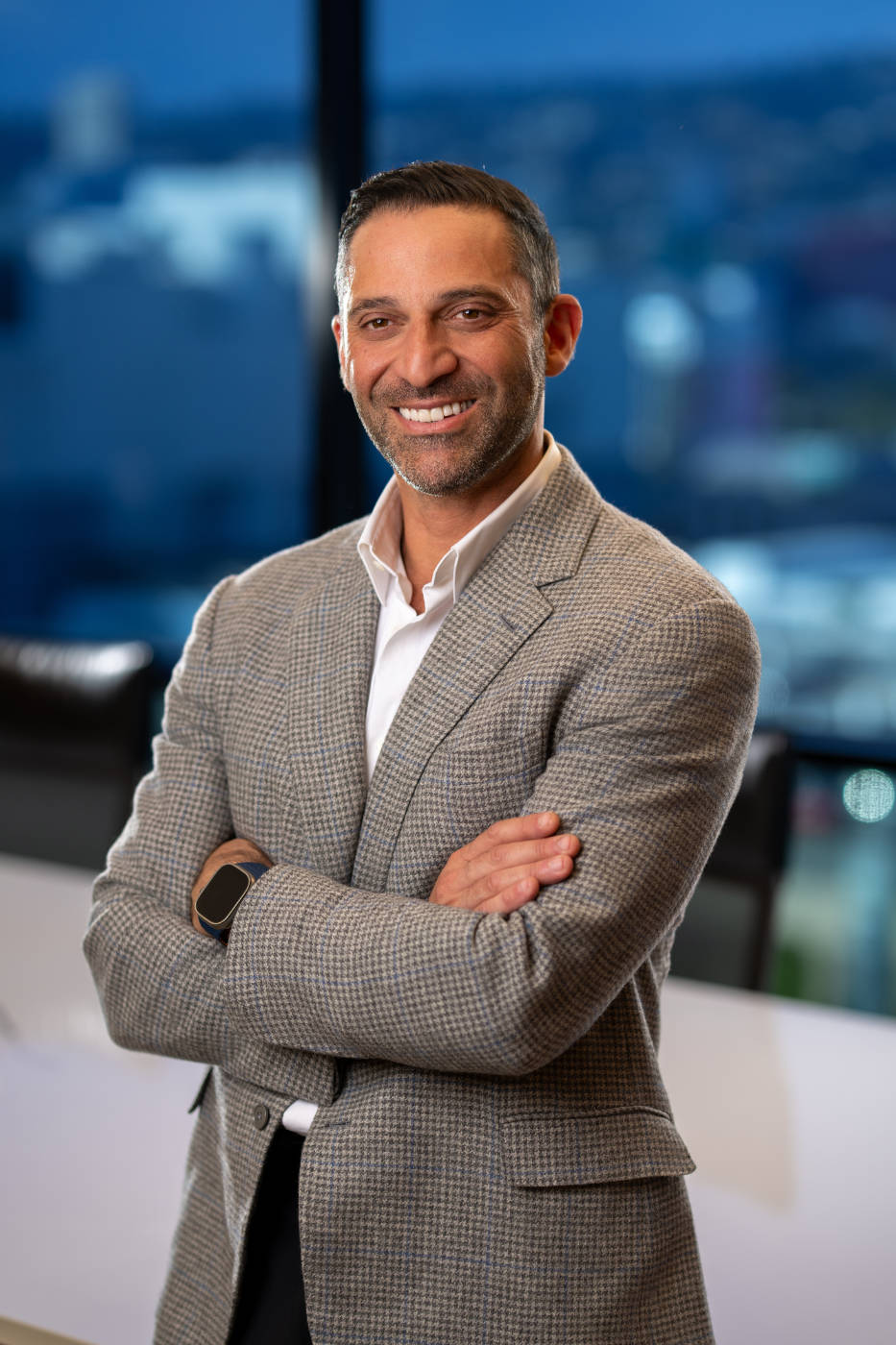
Why Choose Us for Shoulder Replacement Surgery
At our Los Angeles practice, we specialize in shoulder replacement surgery led by Dr. Farzin Kabaei, MD, a board-certified orthopedic surgeon with extensive experience in joint procedures. Dr. Kabaei has performed over 1,000 shoulder replacements, including robotic-assisted procedures, utilizing advanced techniques to enhance mobility and alleviate pain for patients suffering from severe shoulder conditions.
His personalized approach ensures that each patient receives a treatment plan designed to their specific needs. Our practice is dedicated to providing a multidisciplinary approach to joint care, including pre-operative planning and post-operative rehabilitation.
We accept most PPO insurance plans, as well as Medicare, making it easier for patients in Los Angeles and throughout California to access the care they need. With a focus on patient education and individualized care, we support our patients every step of the way, from initial consultation through recovery.
Dr. Farzin Kabaei, MDSchedule Your Consultation Today
If you are considering shoulder replacement surgery, contact our practice in Los Angeles to schedule your consultation with Dr. Farzin Kabaei. With his extensive experience, including advanced fellowship training and certification in robotic-assisted joint replacement surgery, you can explore your options for improved mobility and pain relief.
Do not let shoulder pain limit your activities – take the first step towards a more active life today. Our team is dedicated to guiding you through every step of the process, from initial evaluation to post-operative care, ensuring you receive treatment aligned with current evidence-based practices.
Medically reviewed by Farzin Kabaei, M.D. on