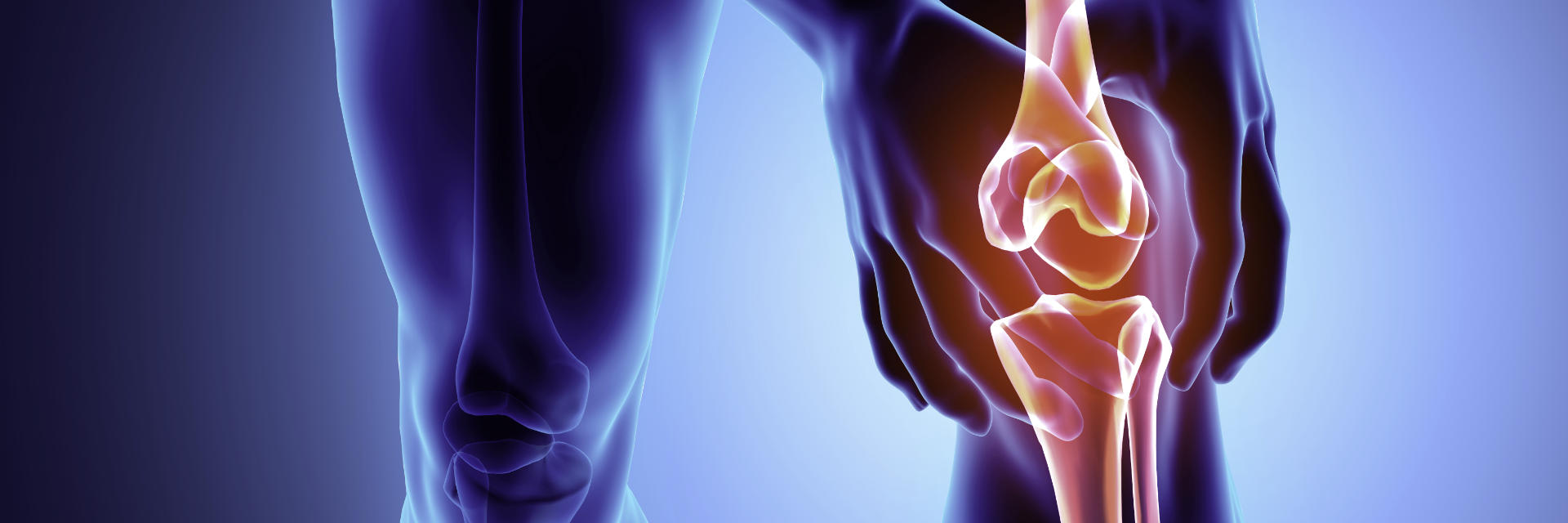
Knee Arthroscopy (Meniscus Surgery)
Knee Arthroscopy and Meniscus Surgery in Los Angeles
Knee arthroscopy is one of the most commonly performed orthopedic procedures used to diagnose and treat injuries inside the knee joint. Through small incisions and specialized instruments, surgeons can repair damaged cartilage, remove torn tissue, and restore normal joint movement while minimizing disruption to surrounding structures.
In Los Angeles, knee arthroscopy and meniscus surgery are performed by Dr. Farzin Kabaei, a board-certified orthopedic surgeon with extensive experience treating knee injuries and joint conditions affecting both active individuals and patients with degenerative joint disease. Dr. Kabaei’s training combines a strong academic foundation in neuroscience from UCLA with advanced orthopedic surgical training at Montefiore / Albert Einstein Medical Center and fellowship training in complex joint reconstruction at Cedars-Sinai Medical Center.
Although his practice is widely known for advanced hip and knee replacement procedures, Dr. Kabaei also treats many patients with knee injuries who want to avoid joint replacement whenever possible. Using minimally invasive arthroscopic techniques, he is able to diagnose and treat problems inside the knee with exceptional precision, helping patients return to daily activity and sports with improved stability and reduced pain.
What Is Knee Arthroscopy?
Knee arthroscopy is a minimally invasive surgical procedure used to evaluate and treat problems inside the knee joint.
During arthroscopy, a small camera called an arthroscope is inserted through a tiny incision in the knee. The camera projects detailed images of the joint onto a monitor, allowing the surgeon to see cartilage, ligaments, and other structures inside the knee.
Specialized instruments are inserted through additional small incisions to treat the problem directly.
Because arthroscopy avoids large incisions and extensive disruption of surrounding tissues, patients typically experience:
• Less post-operative pain
• Faster recovery
• Minimal scarring
• Lower risk of complications compared with traditional open surgery
This approach allows many knee problems to be treated effectively while preserving as much healthy joint structure as possible.
Meniscus Tears and Knee Injuries
One of the most common reasons patients undergo knee arthroscopy is to treat a meniscus tear.
The meniscus is a crescent-shaped piece of cartilage that acts as a cushion between the thigh bone and the shin bone. Each knee contains two menisci that help stabilize the joint and distribute weight during movement.
Meniscus injuries can occur in several ways:
Sports Injuries
Sudden twisting or pivoting motions may tear the meniscus, especially during athletic activity.
Degenerative Changes
As cartilage weakens with age, the meniscus may tear with normal activities such as squatting or climbing stairs.
Traumatic Knee Injuries
Falls, accidents, or high-impact injuries can damage cartilage inside the knee.
Common symptoms of a meniscus tear include:
• Knee pain
• Swelling
• Locking or catching of the joint
• Difficulty bending or straightening the knee
• Reduced range of motion
When conservative treatment does not relieve symptoms, arthroscopic surgery may be recommended.
Conditions Treated With Knee Arthroscopy
Knee arthroscopy can be used to diagnose and treat a variety of knee conditions.
Dr. Kabaei commonly performs arthroscopic procedures for:
• Meniscus tears
• Cartilage damage
• Loose fragments of bone or cartilage in the joint
• Inflamed joint lining (synovitis)
• Certain ligament injuries
• Early degenerative joint problems
Because arthroscopy allows surgeons to view the joint directly, it provides both a diagnostic and therapeutic tool for many knee problems.
Why Surgeon Expertise Matters
Although knee arthroscopy is a minimally invasive procedure, successful outcomes still depend heavily on the surgeon’s experience and understanding of knee biomechanics.
Dr. Kabaei’s orthopedic background includes extensive training in both joint preservation procedures and complex joint reconstruction. This allows him to determine when arthroscopic surgery is appropriate and when more advanced treatment options may be necessary.
His clinical experience includes treating:
• Sports-related knee injuries
• Degenerative meniscus tears
• Complex joint conditions
• Traumatic orthopedic injuries
In addition to caring for patients, Dr. Kabaei regularly teaches orthopedic trainees and medical students modern surgical techniques, helping educate the next generation of surgeons.
This combination of clinical experience and academic involvement allows him to approach each knee injury with a comprehensive understanding of joint function and long-term joint health.
What Happens During Knee Arthroscopy?
Knee arthroscopy is typically performed as an outpatient procedure.
During surgery:
-
Small incisions are made around the knee joint.
-
An arthroscope is inserted to visualize the joint.
-
Specialized instruments are used to repair or remove damaged tissue.
-
The incisions are closed with small sutures or surgical tape.
The procedure usually takes less than an hour, depending on the complexity of the injury.
Because the incisions are small, patients typically experience less swelling and a quicker recovery compared with traditional open surgery.
Recovery After Meniscus Surgery
Recovery after knee arthroscopy varies depending on the type of procedure performed and the extent of the injury.
Many patients are able to:
• Walk the same day or shortly after surgery
• Begin physical therapy soon after the procedure
• Return to normal activities within several weeks
Athletes and highly active individuals may require additional rehabilitation before returning to high-impact sports.
Physical therapy is often an important part of recovery, helping restore strength, flexibility, and stability in the knee.
When Knee Arthroscopy May Not Be Enough
While arthroscopic surgery can effectively treat many knee injuries, it may not be appropriate for every condition.
Patients with advanced arthritis or severe structural damage may require other treatments such as partial knee replacement or total knee replacement.
Because Dr. Kabaei specializes in both joint preservation procedures and advanced joint reconstruction, he is able to evaluate the knee comprehensively and recommend the most appropriate treatment option for each patient.
In many cases, early treatment of meniscus injuries can help preserve the joint and delay or prevent the need for joint replacement surgery later in life.
Knee Arthroscopy and Meniscus Surgery in Los Angeles
Knee pain, swelling, and instability can significantly limit daily activities and athletic performance. Modern arthroscopic techniques allow many knee problems to be treated with minimally invasive surgery that restores function while protecting the surrounding joint structures.
Patients in Los Angeles experiencing knee pain or suspected meniscus injury can consult with Dr. Farzin Kabaei for expert evaluation and personalized treatment. His goal is to relieve pain, restore stability, and help patients return to an active and healthy lifestyle.
Frequently Asked Questions About Knee Arthroscopy
How do I know if I have a meniscus tear?
Symptoms may include knee pain, swelling, stiffness, locking, or difficulty fully bending or straightening the knee. Imaging studies such as MRI are often used to confirm the diagnosis.
Is knee arthroscopy considered major surgery?
Knee arthroscopy is a minimally invasive procedure performed through small incisions, and most patients go home the same day.
How long does recovery take after meniscus surgery?
Many patients return to normal daily activities within several weeks, although full recovery may take longer depending on the severity of the injury.
Can a meniscus tear heal without surgery?
Some small tears may improve with rest, physical therapy, and anti-inflammatory treatment. Surgery is considered when symptoms persist or mechanical problems occur.
Will I need physical therapy after arthroscopy?
Yes. Physical therapy helps restore strength, flexibility, and stability in the knee and plays an important role in recovery.