When it comes to knee sprains, you want care from a highly qualified professional. Dr. Farzin Kabaei, MD, is a board-certified orthopedic surgeon with extensive, hands-on experience treating a wide range of knee conditions.
With a background in neuroscience from UCLA, graduating Summa Cum Laude, and advanced fellowship training at Cedars-Sinai Medical Center, Dr. Kabaei has performed over 2,000 knee replacements, including more than 1,000 robotic-assisted procedures using the Mako robotic-assisted joint replacement system.
His clinical focus on robotic-assisted total knee replacement and complex joint reconstruction ensures that you receive evidence-based treatment for your knee sprain in Los Angeles. The combination of his academic background and practical experience allows him to approach each case with a detailed perspective of both the physical and neurological aspects of knee injuries, which can influence recovery outcomes.
I did knee replacement I am very satisfied. Dr Kabaei did d great job and all people working in his office are excellent
What causes a knee sprain and how does it happen
A knee sprain occurs when the ligaments in the knee are stretched or torn. This injury often results from a sudden twist, blow, or impact that forces the knee beyond its normal range of motion. Athletes and active individuals in Los Angeles frequently experience knee sprains, but anyone can be affected.
Recognizing the causes can help you take preventive measures. Common activities that lead to knee sprains include sports like basketball, soccer, and skiing, where quick changes in direction or jumping can put excessive strain on the knee ligaments. Factors such as poor footwear, uneven surfaces, and lack of proper warm-up can also contribute to the likelihood of sustaining a knee sprain.
Common symptoms associated with knee sprains
Symptoms of a knee sprain include localized pain, swelling, stiffness, and a feeling of the knee “giving way.” You may notice that movement increases the pain, making it difficult to walk or engage in physical activities. Recognizing these symptoms early can lead to more effective treatment.
In some cases, bruising may also occur around the knee, indicating damage to the surrounding tissues. The severity of symptoms can vary depending on the grade of the sprain, with Grade I being mild and often characterized by slight discomfort, while Grade III can involve severe pain and significant instability, requiring prompt medical attention.
How to diagnose a knee sprain effectively
Diagnosing a knee sprain typically involves a physical examination by a healthcare professional. Imaging tests like X-rays or MRIs may be necessary to assess the extent of the injury and rule out other damage. Accurate diagnosis is crucial for determining the appropriate treatment plan.
During the physical examination, the doctor will assess the range of motion, stability, and tenderness of the knee. They may also perform specific tests, such as the Lachman test or the anterior drawer test, to evaluate the integrity of the ligaments. This precise evaluation helps in formulating a rehabilitation strategy focused on recovery.
R.I.C.E. method for managing knee sprain symptoms
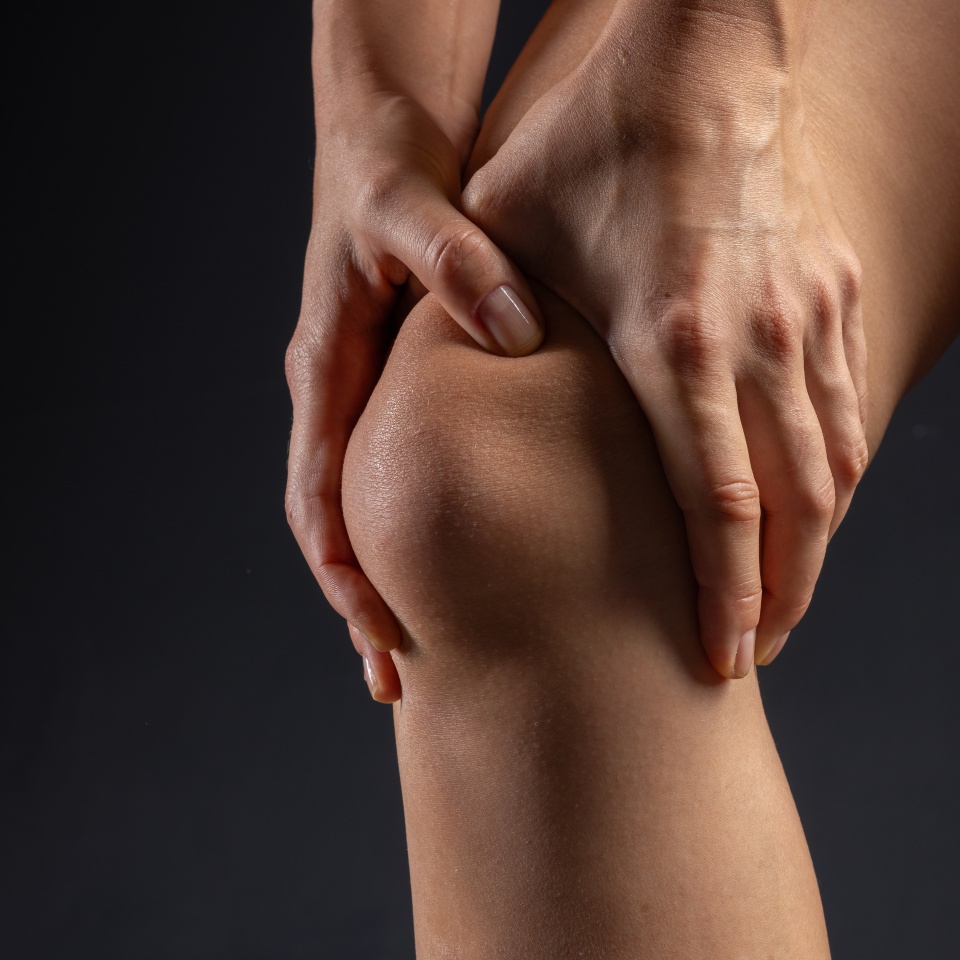
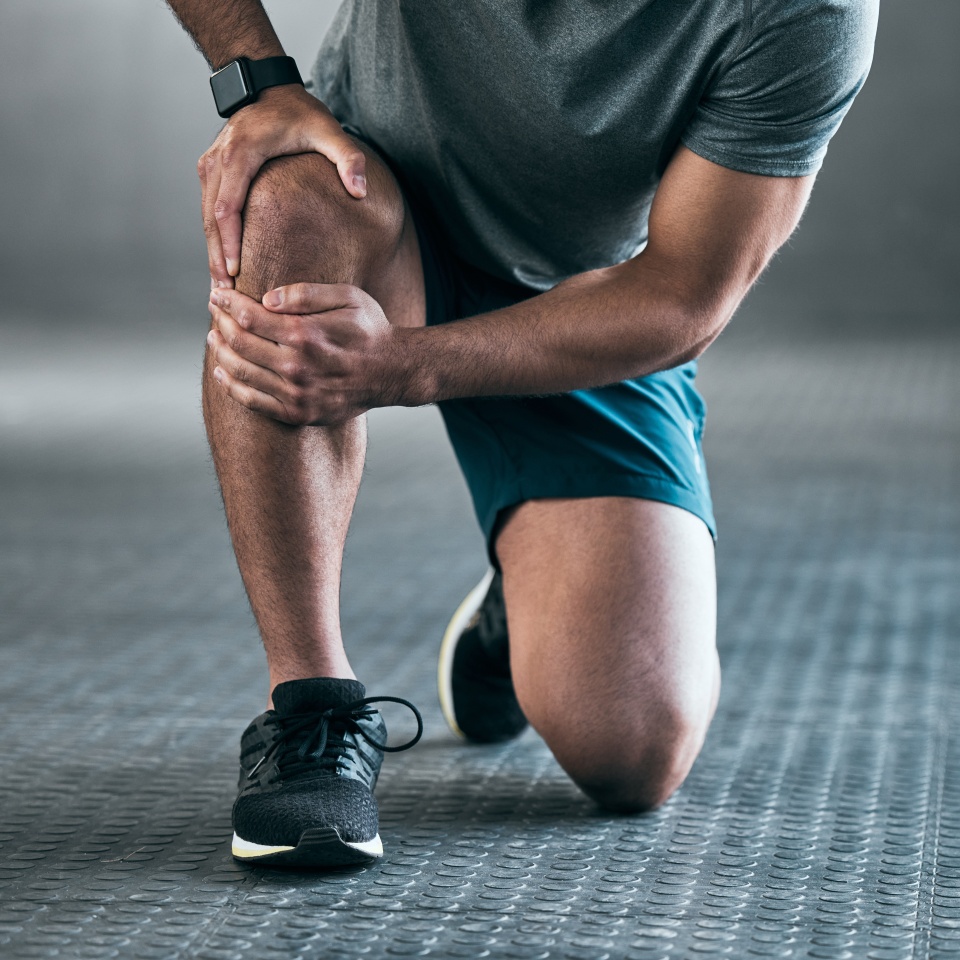
The R.I.C.E. Method – Rest, Ice, Compression, and Elevation – is commonly recommended for managing knee sprain symptoms. Resting the knee helps prevent further injury, while ice reduces swelling and pain. Compression with a bandage can provide support, and elevating the knee can help decrease swelling.
This method is effective for mild to moderate sprains. Ice should be applied for 15-20 minutes every few hours during the first 48 hours after the injury to maximize its effect. Compression wraps should not be too tight, as this can impede circulation and lead to complications.
Role of physical therapy in knee sprain recovery
Physical therapy plays a vital role in knee sprain recovery. A rehabilitation program designed by a physical therapist can help restore strength and flexibility to the knee. Your therapist will guide you through exercises aimed at improving mobility and reducing the risk of future injuries.
This is especially important for active individuals in Los Angeles who want to return to their favorite activities. The rehabilitation process often includes a combination of stretching, strengthening, and proprioceptive exercises, which help improve balance and coordination. Physical therapists also provide education on proper body mechanics and techniques to avoid re-injury, which supports long-term recovery.
Surgical options for severe knee sprains
In cases of severe knee sprains, particularly those involving complete tears of the ligaments, surgical intervention may be necessary. Typically performed arthroscopically, these procedures minimize recovery time and can restore stability to the knee.
Dr. Kabaei’s advanced fellowship training at Cedars-Sinai Medical Center and his certification in the Mako robotic-assisted joint replacement system support his use of modern surgical techniques. Surgical options may include ligament reconstruction, where the damaged ligament is replaced with a graft, or repair techniques that aim to reattach the torn ligament.
Post-surgery, a structured rehabilitation program is essential to support healing and regain knee function.
Preventive measures to avoid knee sprains
Preventing knee sprains involves maintaining strong and flexible leg muscles. Proper techniques during physical activities and gradually increasing intensity can also help. Incorporating strength training and flexibility exercises into your routine is essential for reducing the risk of injury.
Activities such as squats, lunges, and leg presses can strengthen the muscles around the knee, while stretching exercises can enhance flexibility. Wearing appropriate footwear that provides adequate support and traction can significantly reduce the risk of slips and falls that may lead to knee injuries.
How to safely return to activities after a knee sprain
Returning to activities after a knee sprain should be done cautiously. Gradual reintroduction of movement, guided by your healthcare provider or physical therapist, is key. They will help you determine when it is appropriate to resume sports or exercise, ensuring that you do not reinjure your knee.
A phased approach is often recommended, starting with low-impact activities and progressively increasing intensity and duration. Monitoring for any signs of pain or discomfort during this process is crucial, as it can indicate that the knee is not yet ready for full activity.
Knee Sprain Treatment FAQ
-
Knee sprains often occur due to sudden twists, blows, or impacts that force the knee joint beyond its normal range of motion. Activities such as basketball, soccer, and skiing are common culprits, especially when quick changes in direction are involved.
-
Symptoms of a knee sprain include localized pain, swelling, stiffness, and a sensation of the knee ‘giving way.’ You may also notice bruising around the knee, and the severity of symptoms can vary based on the grade of the sprain.
-
A healthcare professional typically diagnoses a knee sprain through a physical examination, assessing the range of motion and stability of the knee. Imaging tests like X-rays or MRIs may be used to evaluate the extent of the injury and rule out other damage.
-
The R.I.C.E. method stands for Rest, Ice, Compression, and Elevation, and is commonly recommended for managing knee sprain symptoms. This approach helps reduce swelling and pain, and is particularly effective for mild to moderate sprains.
-
Surgical intervention may be necessary for severe knee sprains, especially those involving complete tears of the ligaments. Typically performed arthroscopically, these procedures aim to restore stability to the knee and are followed by a structured rehabilitation program.

Why Choose Us for Knee Sprain Treatment in Los Angeles
At our practice, we specialize in effective knee sprain treatments led by Dr. Farzin Kabaei, MD, a board-certified orthopedic surgeon with extensive experience in joint care. With over 2,000 knee replacements performed, including more than 1,000 robotic-assisted procedures using the Mako system, Dr. Kabaei applies advanced techniques to provide individualized treatment for each patient.
His academic background, including a degree in neuroscience from UCLA and fellowship training at Cedars-Sinai Medical Center, enhances his approach to knee injuries and recovery. We offer a multi-disciplinary approach, focusing on both non-surgical and surgical options suited to your specific needs.
Our services include physical therapy, advanced imaging for accurate diagnosis, and minimally invasive surgical techniques when necessary. Patients in Los Angeles can expect a dedicated team that prioritizes their recovery and mobility, ensuring a supportive environment throughout the treatment process.
Dr. Farzin Kabaei, MDContact us for experienced care in knee sprain treatment
If you are experiencing a knee sprain, do not hesitate to seek care from Dr. Farzin Kabaei and his team in Los Angeles. With extensive experience in orthopedic surgery and advanced training in robotic-assisted joint replacement, Dr. Kabaei provides personalized treatment options focused on restoring mobility and managing pain.
We work closely with patients to develop a treatment plan that fits their specific needs and lifestyle, supporting the best possible outcomes for your knee health. Our practice accepts most PPO and Medicare plans and offers same-day outpatient surgery options when appropriate. Request a consultation with Dr. Kabaei to discuss your symptoms and treatment options.