Rotator cuff tears are a common injury that affects many individuals, particularly those over 40. In Los Angeles, Dr. Farzin Kabaei, MD, a board-certified orthopedic surgeon and Fellow of the American Academy of Orthopaedic Surgeons, specializes in treating rotator cuff injuries. With extensive experience in shoulder conditions, Dr. Kabaei offers a range of treatment options designed to meet each patient’s needs. Learning about the causes, symptoms, and treatment options for rotator cuff tears can help you make informed decisions about your care.
Amazing Doctor! Knowledgeable, thorough and professional. Anyone under Dr. Kabaei’s care is in good hands
What Are The Causes Of Rotator Cuff Tears
Rotator cuff tears can occur due to various reasons. They may result from acute injuries, such as falls or heavy lifting, which can cause sudden damage to the tendons. Degenerative wear over time is a common cause, especially in individuals over 40. Factors like repetitive overhead activities, poor posture, and certain medical conditions can also increase the risk of developing a rotator cuff tear.
Genetic factors may play a role. Some people have a hereditary tendency toward tendon degeneration, which makes them more prone to injuries. Certain jobs that involve repetitive shoulder movements, such as construction work or swimming, can raise the chance of sustaining a rotator cuff tear.
Identifying Common Symptoms Of Rotator Cuff Injuries
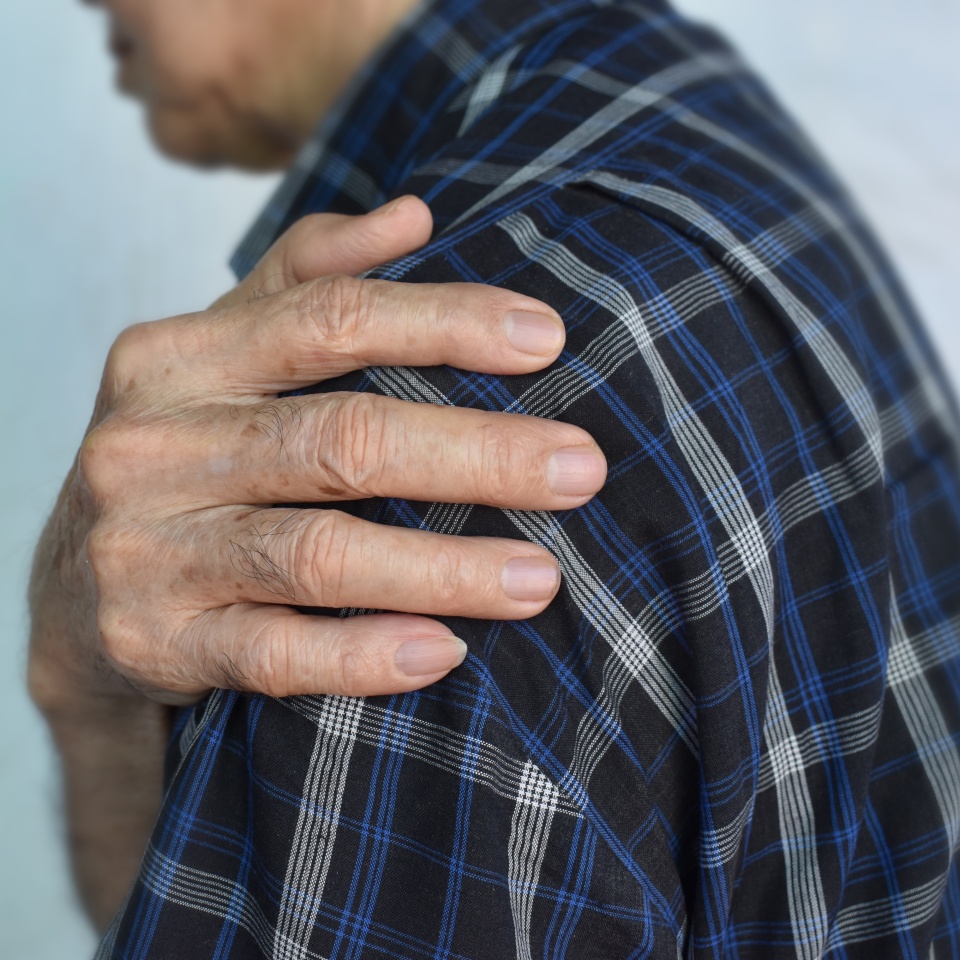
Common symptoms of rotator cuff tears include shoulder pain, weakness, and limited range of motion. You may notice increased discomfort when reaching overhead or lying on the affected side. These symptoms can significantly impact daily activities, making it essential to recognize them early. If you experience persistent shoulder pain or difficulty lifting your arm, it is advisable to seek medical attention.
Other symptoms may include a clicking or popping sensation during shoulder movement, which can indicate underlying tendon issues that require evaluation. Also, some patients report night pain that disrupts sleep, further complicating their recovery and daily functioning.

How Rotator Cuff Tears Are Diagnosed
Diagnosing a rotator cuff tear typically involves a thorough medical history review and a physical examination. Your doctor may assess your shoulder’s range of motion and strength. Imaging tests, such as MRI, are often used to confirm the diagnosis and determine the extent of the injury. Accurate diagnosis is crucial for developing an effective treatment plan personalized to your specific needs.
Ultrasound imaging may also be used in some cases. It provides real-time views of the shoulder structures and helps identify tears or other abnormalities. Your physician may perform specific tests, such as the Hawkins-Kennedy test or the Neer test, to check for impingement or tears in the rotator cuff tendons.
Exploring Non-Surgical Treatment Options
Non-surgical treatment options for rotator cuff tears often include rest, physical therapy, and anti-inflammatory medications. Physical therapy can help improve strength and flexibility in the shoulder, aiding recovery. In some cases, corticosteroid injections may be recommended to reduce inflammation and pain. These conservative methods can be effective for managing symptoms and improving function, especially for partial tears.
Also, incorporating modalities such as ice therapy and electrical stimulation can enhance pain relief and promote healing during the initial stages of treatment. Also, lifestyle modifications, such as ergonomic adjustments at work or home, can further support recovery and prevent exacerbation of symptoms.
Benefits Of Physical Therapy For Rotator Cuff Recovery
Physical therapy plays a vital role in recovering from rotator cuff injuries. It focuses on strengthening the shoulder muscles and improving range of motion. A personalized physical therapy program can help you regain function and reduce pain. Also, physical therapists can provide guidance on proper techniques to prevent future injuries, making it an essential component of your recovery plan.
They may also include training exercises that mimic daily activities. This helps you return to your normal routine safely. Moreover, therapists often teach patients about posture and body mechanics. This education helps prevent re-injury and supports long-term shoulder health.
Surgical Interventions For Severe Rotator Cuff Tears
For severe rotator cuff tears that do not respond to conservative treatments, surgical intervention may be necessary. Dr. Kabaei specializes in minimally invasive surgical techniques, including arthroscopic repair. This approach allows for smaller incisions and quicker recovery times. Surgery aims to restore the integrity of the rotator cuff and improve shoulder function, enabling you to return to your daily activities.
Post-operative care is equally important. It includes watching for complications and making sure the surgical site heals well. This care can greatly affect how successful the procedure is. In some cases, rehabilitation may begin immediately after surgery, focusing on gentle range-of-motion exercises to prevent stiffness while protecting the repair.
Rehabilitation Strategies After Rotator Cuff Surgery
Post-surgery rehabilitation is crucial for a successful recovery from rotator cuff surgery. Patients may need to wear a sling for a period to protect the shoulder. A structured rehabilitation program, often guided by a physical therapist, will focus on gradually restoring strength and mobility. This process is essential for achieving optimal outcomes and returning to normal activities.
The rehabilitation timeline can vary based on the severity of the tear and the specific surgical technique used. Some patients need several months of therapy to regain full function. Also, ongoing checks during rehabilitation help adjust the program to the patient’s progress. This ensures any setbacks are addressed quickly.
Preventive Measures For Rotator Cuff Injuries
Preventing rotator cuff injuries involves several strategies. Strengthening shoulder muscles through targeted exercises can enhance stability. Proper warm-up techniques before physical activities and maintaining good posture are also important. Also, avoiding repetitive overhead movements can reduce the risk of injury.
Being proactive about shoulder health can help you stay active and pain-free. Incorporating cross-training into your fitness routine can also help by balancing muscle development and reducing the strain on the rotator cuff from overuse. Also, regular assessments with a healthcare professional can help identify any early signs of shoulder dysfunction, allowing for timely intervention.

Frequently Asked Questions About Rotator Cuff Tears
-
Rotator cuff tears can happen due to sudden injuries like falls or heavy lifting. They can also develop over time due to wear and tear, especially in people over 40.
-
Common symptoms include shoulder pain, weakness, and limited movement. You might feel more pain when reaching overhead or lying on the affected side.
-
Diagnosis usually involves a medical history review and a physical exam. Imaging tests like MRI can confirm the diagnosis and show how severe the tear is.
-
Non-surgical options often include rest, physical therapy, and anti-inflammatory medications. These methods can help manage pain and improve function, especially for partial tears.
-
After surgery, you may need to wear a sling to protect your shoulder. A rehabilitation program will help restore strength and movement, which is key for a successful recovery.
Why Choose Us For Rotator Cuff Care
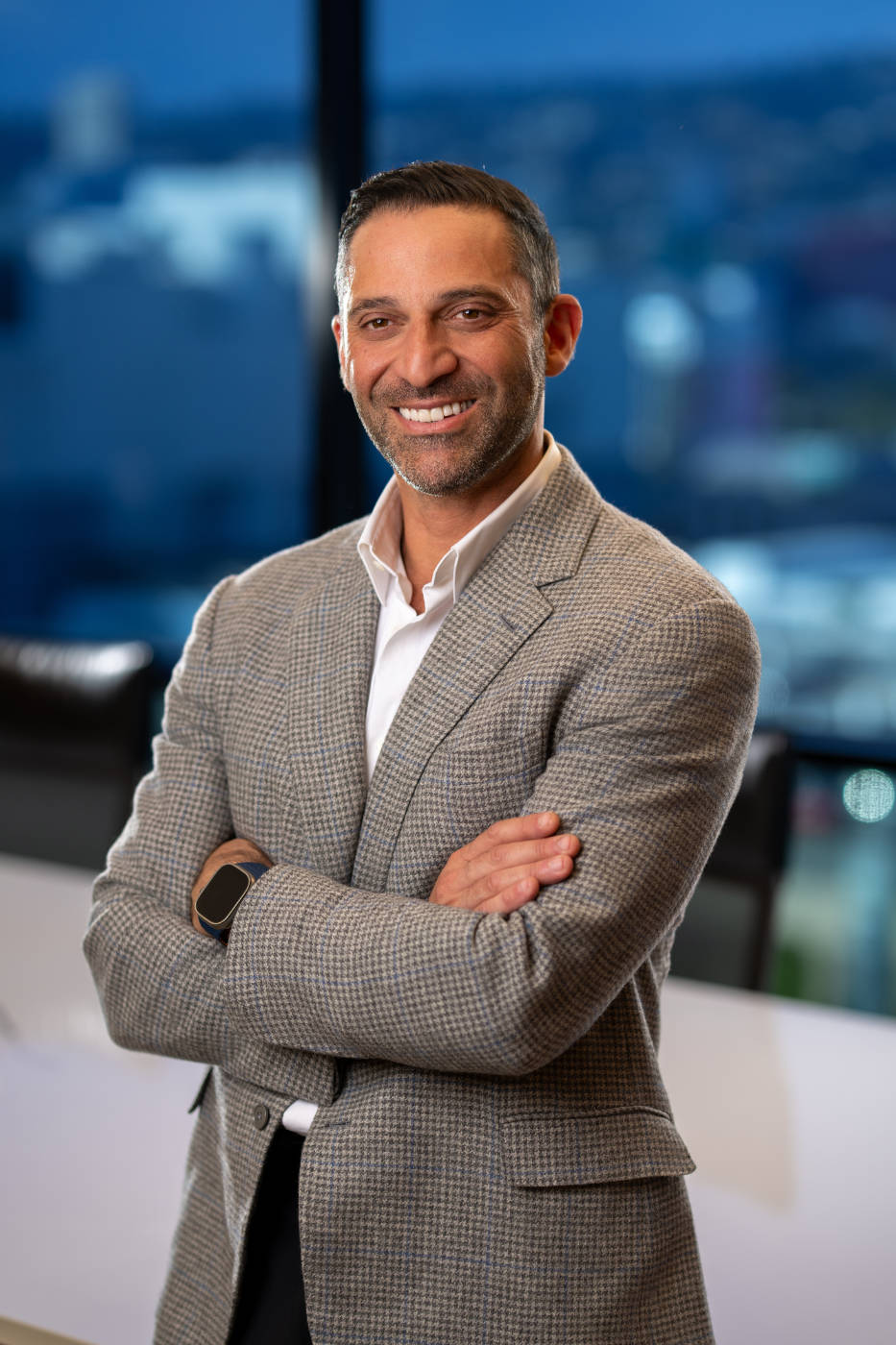
At our Los Angeles practice, we focus on effective treatments for rotator cuff tears. Dr. Farzin Kabaei, MD, is a board-certified orthopedic surgeon and Fellow of the American Academy of Orthopaedic Surgeons with extensive experience in shoulder conditions. He has performed over 2,000 shoulder surgeries, including complex cases. This hands-on experience helps him develop personalized treatment plans for each patient.
We use advanced techniques, including minimally invasive surgery and robotic-assisted procedures, to enhance recovery. Our approach prioritizes your comfort and mobility. We also offer physical therapy and rehabilitation services to support your recovery journey. With a focus on education and individualized care, we ensure you understand your options every step of the way.
Dr. Farzin Kabaei, MDSchedule Your Consultation For Rotator Cuff Care
If you are experiencing symptoms of rotator cuff tears, don’t wait to seek help. Schedule your consultation with Dr. Farzin Kabaei in Los Angeles today. With his extensive experience in treating shoulder conditions, he can provide you with a personalized treatment plan to address your needs.
Take the first step toward recovery and improved shoulder health. Early intervention may lead to better outcomes, so don’t hesitate to reach out for experienced care.
Medically reviewed by Farzin Kabaei, M.D. on