Shoulder dislocation is a common injury, especially among active individuals and athletes. At Robotic Hip and Knee Replacement LA, Dr. Farzin Kabaei, MD, a board-certified orthopedic surgeon and Fellow of the American Academy of Orthopaedic Surgeons, specializes in treating shoulder dislocations with a focus on restoring mobility and reducing pain.
With extensive experience in orthopedic care, including advanced fellowship training at Cedars-Sinai Medical Center, Dr. Kabaei is dedicated to providing treatment options designed to meet your specific needs.
His approach combines the latest medical advancements with a compassionate approach to each patient’s unique situation, aiming to support both immediate concerns and long-term recovery goals.
Amazing Doctor! Knowledgeable, thorough and professional. Anyone under Dr. Kabaei’s care is in good hands
What causes shoulder dislocation in active individuals?
A shoulder dislocation occurs when the upper arm bone (humerus) slips out of its socket in the shoulder blade. This painful injury often results from sports activities, falls, or awkward movements. Active individuals are particularly susceptible due to the high demands placed on their shoulders during physical activities.
Sports such as football, basketball, and gymnastics, which involve sudden changes in direction or high-impact collisions, significantly increase the risk of dislocation. Individuals who engage in contact sports or high-risk recreational activities may experience more frequent shoulder injuries due to the nature of their movements.
Recognizing the symptoms of shoulder dislocation
Common symptoms of shoulder dislocation include severe pain, swelling, and an inability to move the arm. You may also notice a visible deformity in the shoulder area. Recognizing these symptoms early can help you seek prompt treatment, which is crucial for effective recovery.
Other symptoms may include numbness or tingling in the arm or fingers, which can indicate nerve involvement. Recognizing these signs can help individuals act quickly, potentially reducing the severity of complications associated with delayed treatment.
How non-surgical treatment options work
Non-surgical treatment for shoulder dislocation typically begins with a closed reduction procedure, where the humerus is repositioned back into the socket. Following this, immobilization with a sling is essential for about 1 to 6 weeks, depending on the severity of the dislocation. Pain management through ice application and anti-inflammatory medications is also recommended during the initial recovery phase.
Patients may also benefit from education on how to properly care for their shoulder during recovery, including guidance on avoiding certain movements that could worsen the injury. This approach helps support correct healing and minimizes the risk of future dislocations.
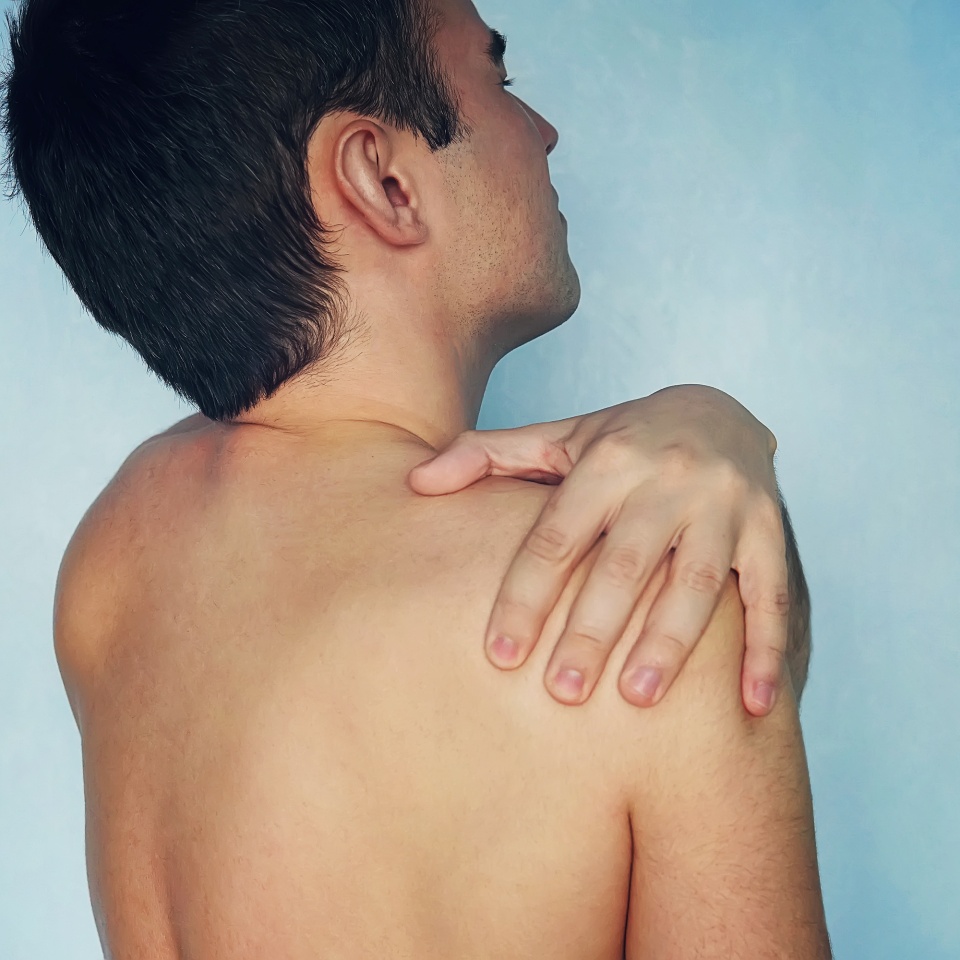

The role of physical therapy in recovery
Physical therapy plays a vital role in your recovery from a shoulder dislocation. After the immobilization period, a structured rehabilitation program focuses on restoring strength, flexibility, and stability to the shoulder. Exercises will target the rotator cuff and scapular stabilizers, helping you regain full function and reduce the chance of future dislocations.
Physical therapists may also incorporate modalities such as ultrasound or electrical stimulation to enhance healing and reduce pain. Education on proper body mechanics and posture during daily activities is crucial, as it helps patients learn how to protect their shoulder while engaging in routine tasks.
Surgical options for shoulder dislocation explained
For individuals with recurrent dislocations or significant soft tissue damage, surgical options may be necessary. Surgical interventions often involve arthroscopic techniques to repair torn ligaments or stabilize the joint. Dr. Kabaei’s training includes advanced fellowship experience at Cedars-Sinai Medical Center, providing care based on the latest surgical methods.
The choice of surgical technique may depend on various factors, including the patient’s age, activity level, and the specific nature of the injury. Post-surgery, patients typically undergo a rehabilitation program designed to support recovery and promote the best possible outcome.
Recovery timeline after shoulder dislocation treatment
The recovery timeline after treatment for shoulder dislocation varies based on the treatment method used, non-surgical recovery may take several weeks, while surgical recovery can extend over several months. Following your therapist’s guidelines closely is essential to support recovery and reduce the risk of re-injury.
Regular follow-up appointments with Dr. Kabaei can help monitor progress and make necessary adjustments to the rehabilitation plan. Knowing the stages of recovery can also help patients set realistic expectations and stay motivated throughout the healing process.
Preventing future shoulder dislocations
Preventing future shoulder dislocations involves a combination of strengthening exercises, proper body mechanics, and awareness of your activity limits. Working with a physical therapist can help you develop a plan to improve shoulder stability and reduce the risk of future injuries.
Incorporating exercises that improve overall shoulder strength and flexibility, such as resistance training and stretching, is crucial. Athletes should also focus on sport-specific training that emphasizes safe techniques and body awareness to minimize the risk of falls or awkward movements that could lead to dislocation.
Frequently Asked Questions about Shoulder Dislocation Treatment
-
Shoulder dislocation often occurs when the upper arm bone slips out of its socket in the shoulder blade, commonly due to sports activities, falls, or awkward movements. Active individuals, especially athletes, are at a higher risk due to the physical demands placed on their shoulders during various activities.
-
Symptoms of shoulder dislocation include severe pain, swelling, and an inability to move the arm. You may also notice a visible deformity in the shoulder area, along with possible numbness or tingling in the arm or fingers, indicating nerve involvement.
-
Non-surgical treatment typically involves a closed reduction procedure to reposition the humerus back into the socket, followed by immobilization with a sling for 1 to 6 weeks. Pain management through ice application and anti-inflammatory medications is also recommended, along with education on proper care during recovery.
-
Physical therapy is crucial for recovery as it focuses on restoring strength, flexibility, and stability to the shoulder after immobilization. A structured rehabilitation program includes exercises targeting the rotator cuff and scapular stabilizers, along with education on body mechanics to reduce the chance of future dislocations.
-
Surgery may be necessary for individuals with recurrent dislocations or significant soft tissue damage. Surgical options often involve arthroscopic techniques to repair torn ligaments or stabilize the joint, with a rehabilitation program following the procedure to support recovery.

Why Choose Us for Shoulder Dislocation Treatment
At Robotic Hip and Knee Replacement LA, we recognize the complexities of shoulder dislocation and its impact on your active lifestyle. Led by Dr. Farzin Kabaei, MD, a board-certified orthopedic surgeon with extensive experience in treating shoulder conditions, our practice is dedicated to providing effective, individualized treatment options.
Dr. Kabaei’s background includes advanced fellowship training at Cedars-Sinai Medical Center, ensuring that you receive care grounded in the latest surgical techniques and evidence-based practices.
Our multi-disciplinary approach includes both non-surgical and surgical options designed for your specific needs. Whether you require a closed reduction procedure or advanced arthroscopic surgery, Dr. Kabaei utilizes state-of-the-art technology, including the Mako robotic-assisted joint replacement system, to enhance precision and support recovery.
We prioritize patient education and personalized care, designed to help you regain mobility and return to your favorite activities with confidence.
Dr. Farzin Kabaei, MDGet expert care for your shoulder dislocation today
If you are experiencing a shoulder dislocation or its symptoms, seek care from Dr. Farzin Kabaei in Los Angeles. With a focus on individualized treatment plans and a dedication to restoring your mobility, you can trust that you are in experienced hands. Dr. Kabaei’s approach combines advanced medical techniques with a thorough knowledge of patient needs, aiming to provide quality care.
Request a consultation with Dr. Kabaei today to discuss your symptoms and explore your treatment options.