When it comes to managing synovitis and scar tissue in the knee, you want the best care possible. Dr. Farzin Kabaei, MD, a board-certified orthopedic surgeon in Los Angeles, specializes in treating knee conditions with a focus on restoring mobility and relieving pain.
Dr. Kabaei has performed more than 2,000 knee replacements, including over 1,000 robotic-assisted procedures using the Mako robotic-assisted joint replacement system, which allows for precise implant placement and preservation of healthy tissue. His approach combines the latest medical advancements with a compassionate awareness of each patient’s unique situation, ensuring that all aspects of care are considered.
Amazing Doctor! Knowledgeable, thorough and professional. Anyone under Dr. Kabaei’s care is in good hands
What is synovitis and how does it affect the knee
Synovitis is an inflammatory condition affecting the synovial membrane, which lines the joints and produces synovial fluid. This inflammation can lead to swelling, pain, and reduced mobility in the knee joint. In Los Angeles, many individuals experience knee synovitis due to injuries, arthritis, or repetitive stress from activities.
The synovial membrane plays a crucial role in joint health, as it not only lubricates the joint but also nourishes the cartilage. When inflammation occurs, it disrupts this balance, leading to further joint degradation and chronic pain if not addressed promptly.
Dr. Kabaei’s advanced training at Cedars-Sinai Medical Center and his experience with complex joint reconstruction support his ability to manage these challenges effectively.
Common symptoms of synovitis in knee conditions
Symptoms of knee synovitis often include joint pain, stiffness, and noticeable swelling. Patients may also experience a decreased range of motion, making everyday activities challenging. Recognizing these symptoms early can help in seeking timely treatment and preventing further complications.
Some patients report a sensation of warmth around the joint, which can indicate active inflammation. The severity of symptoms can vary significantly among individuals, with some experiencing intermittent flare-ups while others may have persistent discomfort that affects their quality of life.
Causes of synovitis related to knee injuries
Synovitis can arise from various causes, particularly knee injuries. Trauma to the knee, such as ligament tears or fractures, can trigger inflammation of the synovial membrane. Degenerative diseases like osteoarthritis and autoimmune disorders may also contribute to the development of synovitis.
Repetitive stress injuries, often seen in athletes or individuals with physically demanding jobs, can lead to synovitis. Dr. Kabaei’s clinical focus includes orthopedic trauma care and surgical and non-surgical treatment of shoulder and knee conditions, which informs his detailed approach to these causes.
Identifying the underlying cause is essential for developing an effective treatment plan that addresses both symptoms and root problems.
How scar tissue develops after knee surgery
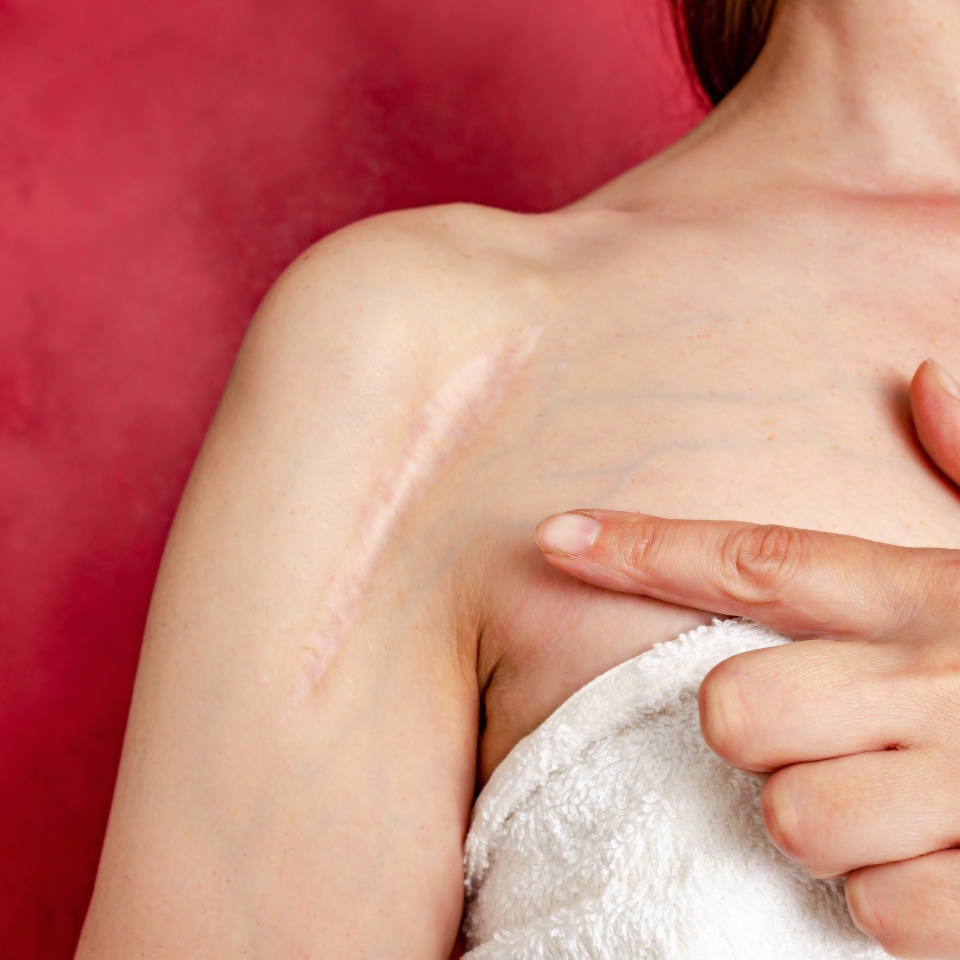
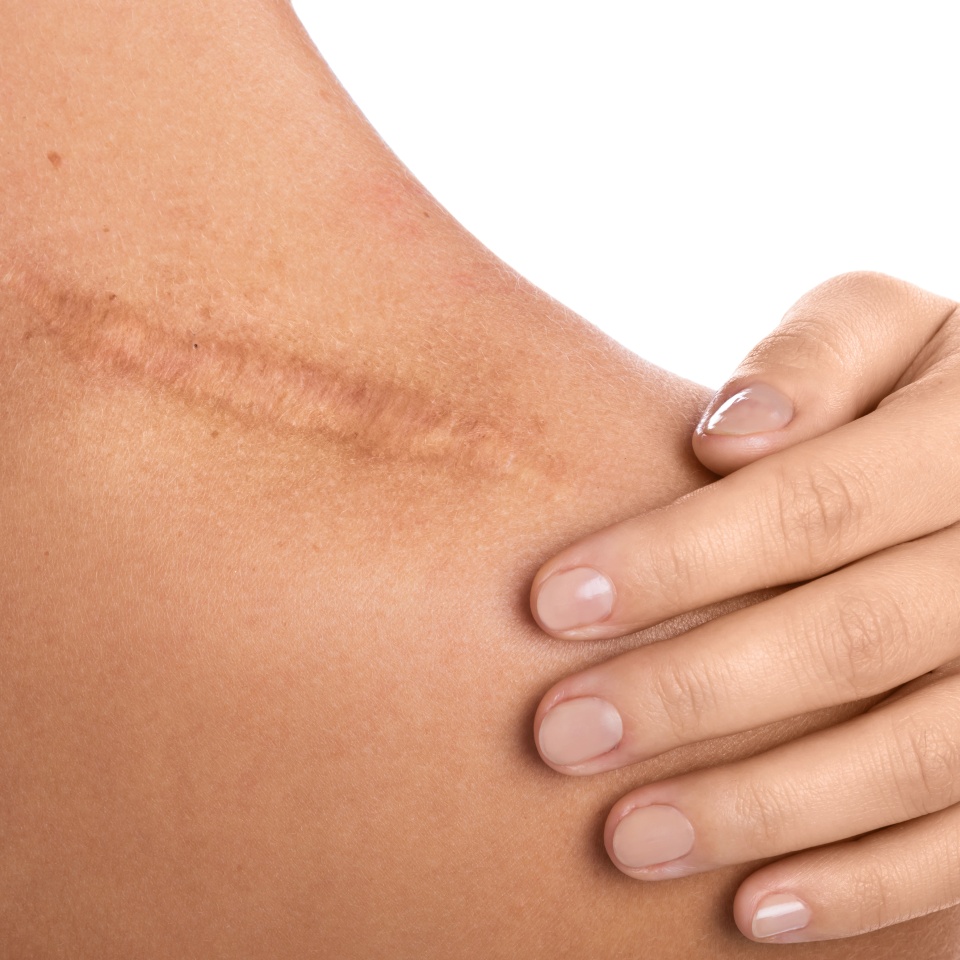
Scar tissue often develops as a complication following knee surgery, including procedures like knee replacements. This scar tissue can lead to ongoing inflammation and pain, further complicating recovery. Patients experiencing persistent discomfort after surgery may require additional interventions to address scar tissue effectively.
The formation of scar tissue, or fibrosis, is a natural part of the healing process, but excessive scar tissue can restrict movement and lead to stiffness. This is particularly concerning in cases where the knee joint is already compromised by conditions like synovitis, as it can worsen symptoms and hinder rehabilitation efforts.
Dr. Kabaei’s experience with revision joint surgeries, including cases involving failed or painful prior joint replacements, equips him to manage these complex situations.
Diagnostic methods for assessing synovitis
Diagnosing synovitis typically involves a thorough physical examination and patient history. Imaging techniques, such as MRI or ultrasound, are commonly used to assess the extent of inflammation and rule out other conditions. Accurate diagnosis is crucial for developing an effective treatment plan suited to your needs.
In some cases, a joint aspiration may be performed to analyze synovial fluid, providing valuable insights into the cause of inflammation. This diagnostic approach helps confirm synovitis and identify any potential infections or other joint disorders requiring different management strategies.
Treatment options for managing knee synovitis
Managing knee synovitis often focuses on alleviating symptoms. Treatment options may include rest, anti-inflammatory medications, and physical therapy. For cases where conservative treatments are ineffective, surgical interventions like synovectomy may be considered to remove damaged synovial tissue.
Corticosteroid injections can provide rapid relief from inflammation and pain and may be used for patients not yet ready for surgery. The choice of treatment should be individualized, considering the patient’s overall health, activity level, and specific needs. Dr. Kabaei’s advanced fellowship training and experience with robotic-assisted surgeries support his ability to offer precise surgical options when needed.
Role of physical therapy in knee recovery
Physical therapy plays a vital role in the recovery process for knee synovitis. A rehabilitation program designed to improve strength, flexibility, and overall joint function can be beneficial. Dr. Kabaei emphasizes coordinated physical therapy to enhance recovery and restore mobility.
Physical therapists use techniques such as manual therapy, therapeutic exercises, and modalities like ultrasound or electrical stimulation to facilitate healing. Education on joint protection strategies and activity modification is also important, helping patients manage their condition and reduce the risk of future flare-ups.
Surgical interventions for severe synovitis cases
For severe synovitis cases that do not respond to conservative treatments, surgical options may be necessary. Dr. Kabaei is experienced in performing advanced procedures, including robotic-assisted surgeries, to address synovitis effectively. These interventions aim to alleviate pain and improve joint function.
Robotic-assisted techniques offer enhanced precision and can lead to quicker recovery times and less postoperative pain compared to traditional methods. In some instances, a total knee replacement may be warranted if the joint is severely damaged, providing a more complete solution to the underlying issues associated with synovitis.
Dr. Kabaei’s certification in Stryker MAKO robotic-assisted surgery and his role as an educator in this technology reflect his proficiency in these advanced surgical methods.
Frequently Asked Questions
-
Synovitis is an inflammatory condition that affects the synovial membrane in the knee, leading to swelling, pain, and reduced mobility. This inflammation can disrupt the normal function of the joint, often resulting in chronic pain if not addressed promptly.
-
Common symptoms of knee synovitis include joint pain, stiffness, and noticeable swelling. Patients may also experience a decreased range of motion, which can make daily activities challenging and may require medical intervention for relief.
-
Synovitis can develop due to various factors, particularly knee injuries such as ligament tears or fractures. Degenerative diseases like osteoarthritis and repetitive stress from physical activities can contribute to the onset of this condition.
-
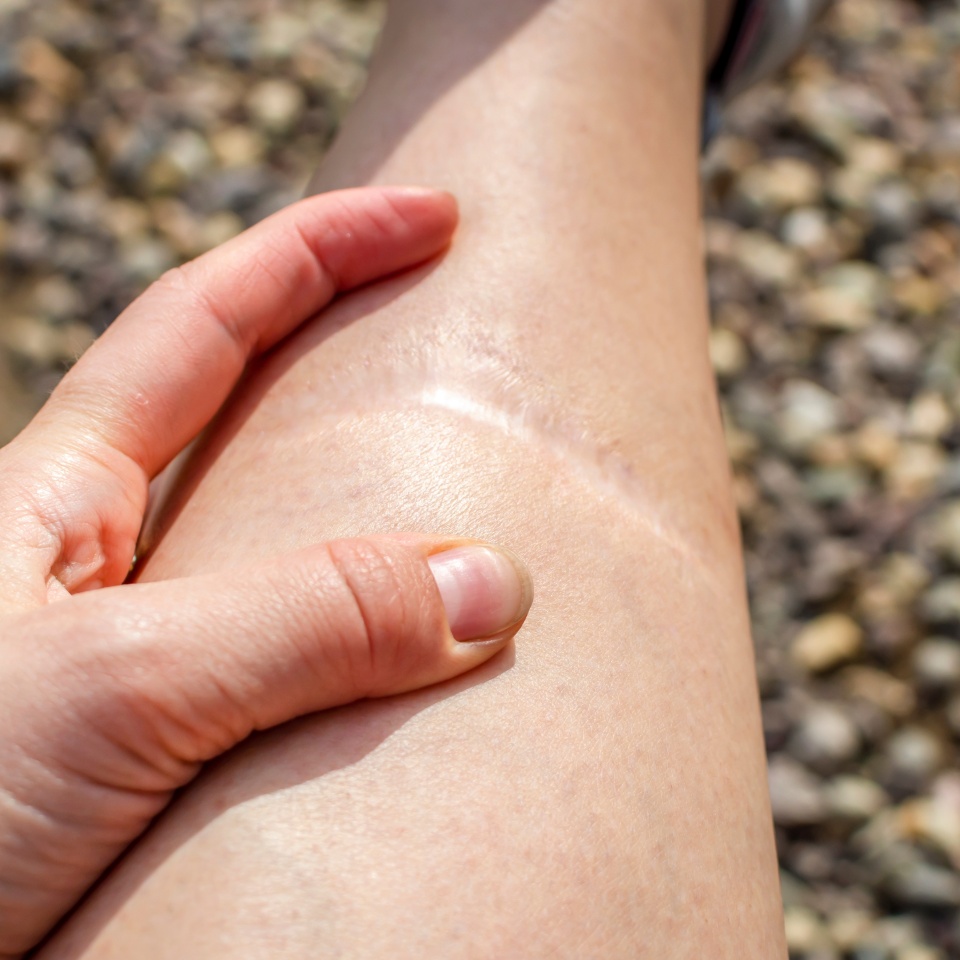
Scar tissue often forms as a natural part of the healing process following knee surgery, including procedures like knee replacements. While some scar tissue is normal, excessive formation can lead to stiffness and ongoing pain, complicating recovery efforts.
-
Treatment for knee synovitis typically focuses on alleviating symptoms and may include rest, anti-inflammatory medications, and physical therapy. In more severe cases, surgical options like synovectomy may be considered to remove damaged tissue and restore joint function.
-
Robotic-assisted surgery, such as the Mako system used by Dr. Kabaei, allows for precise implant placement and preservation of healthy tissue. This technology can improve surgical accuracy, potentially leading to better outcomes and faster recovery times.
-
Recovery varies depending on the treatment approach. Physical therapy is often a key component, focusing on restoring strength and mobility. Patients are encouraged to follow their personalized rehabilitation plan closely to optimize healing and reduce the risk of recurrence.
-
Surgery is typically considered when conservative treatments fail to relieve symptoms or when there is significant joint damage. Dr. Kabaei evaluates each case individually to determine the most appropriate surgical intervention, including minimally invasive or robotic-assisted options.

Why Choose Us for Synovitis and Scar Tissue Treatment
At Robotic Hip and Knee Replacement LA, we recognize the complexities of treating synovitis and scar tissue in the knee. Led by Dr. Farzin Kabaei, MD, a board-certified orthopedic surgeon with extensive experience in knee conditions, our practice is dedicated to restoring mobility and alleviating pain for patients in Los Angeles.
Dr. Kabaei has performed over 2,000 knee replacements, including more than 1,000 robotic-assisted procedures, ensuring a high level of experience in managing these challenging conditions.
Our multi-disciplinary approach includes advanced diagnostic methods and individualized treatment plans tailored to each patient’s specific needs and lifestyle. We utilize the Mako robotic-assisted joint replacement system, which enhances precision, helps preserve healthy tissue, and may reduce recovery time.
Dr. Kabaei’s academic involvement includes teaching medical students and orthopedic residents, helping train the next generation of surgeons in modern joint replacement techniques. This focus on education supports the quality of care patients receive throughout their treatment journey.
Dr. Farzin Kabaei, MDRequest your consultation for knee health today
If you are experiencing symptoms of synovitis or dealing with scar tissue in your knee, it is essential to seek experienced care. Request a consultation with Dr. Farzin Kabaei in Los Angeles today to discuss your knee health and explore individualized treatment options.
With his extensive surgical training, including advanced fellowship training and certification in robotic-assisted surgery, Dr. Kabaei provides patient-centered care focused on restoring mobility and improving quality of life. Early intervention can influence your recovery path, making it essential to address these issues before they progress.